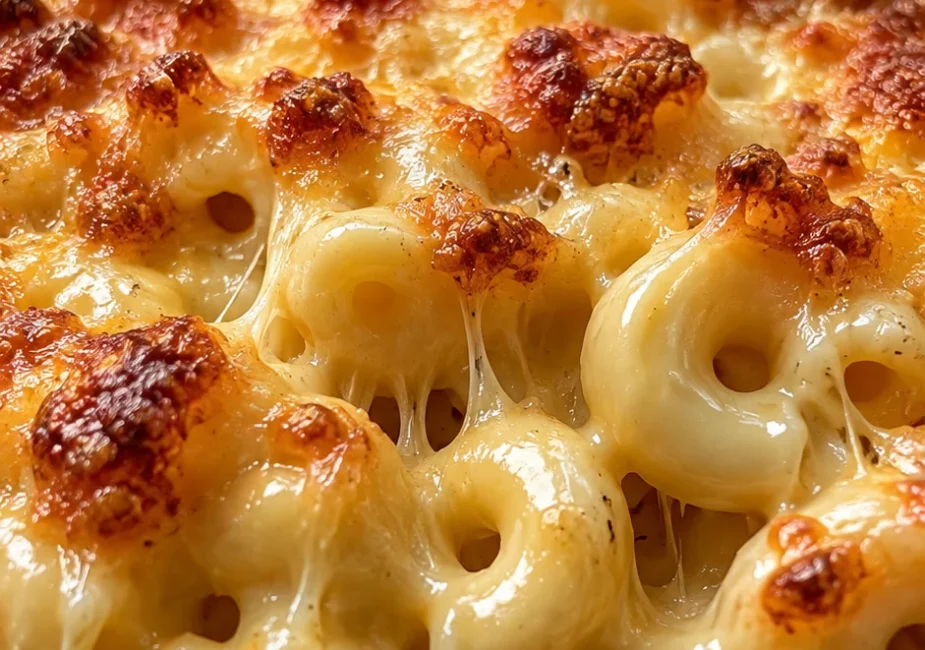
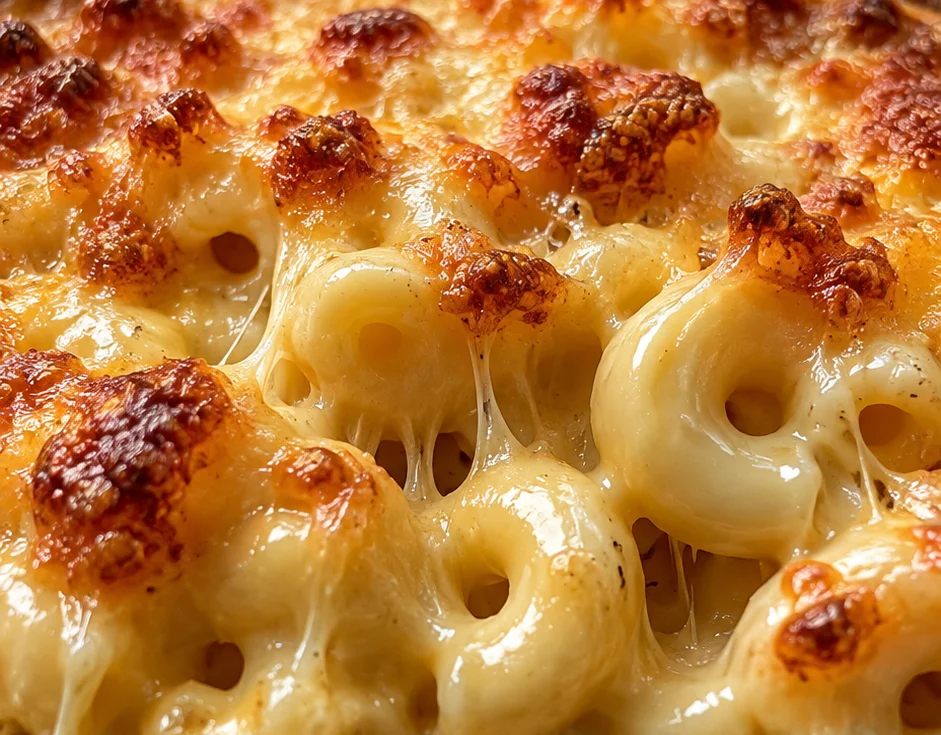
Pile in extra cheese hoping for extra creaminess, and a lot of home versions end up with the opposite problem: a sauce that looks broken, slightly oily, with a grainy texture instead of that smooth, glossy pull you’re going for. The amount of cheese isn’t usually the issue it’s what’s coating the shreds before they ever hit the hot milk.
Pre-shredded cheese from a bag comes coated in anti-caking starches that interfere with how smoothly it melts, and that’s the real culprit behind most grainy homemade mac and cheese. Here’s how to avoid it entirely.
Why You’ll Love It
- A genuinely smooth, glossy sauce one small cheese-prep step is what prevents the grainy texture most homemade versions struggle with. More on that below.
- Real depth of flavor from a blend of sharp cheddar and gruyère, not just one type of mild cheese.
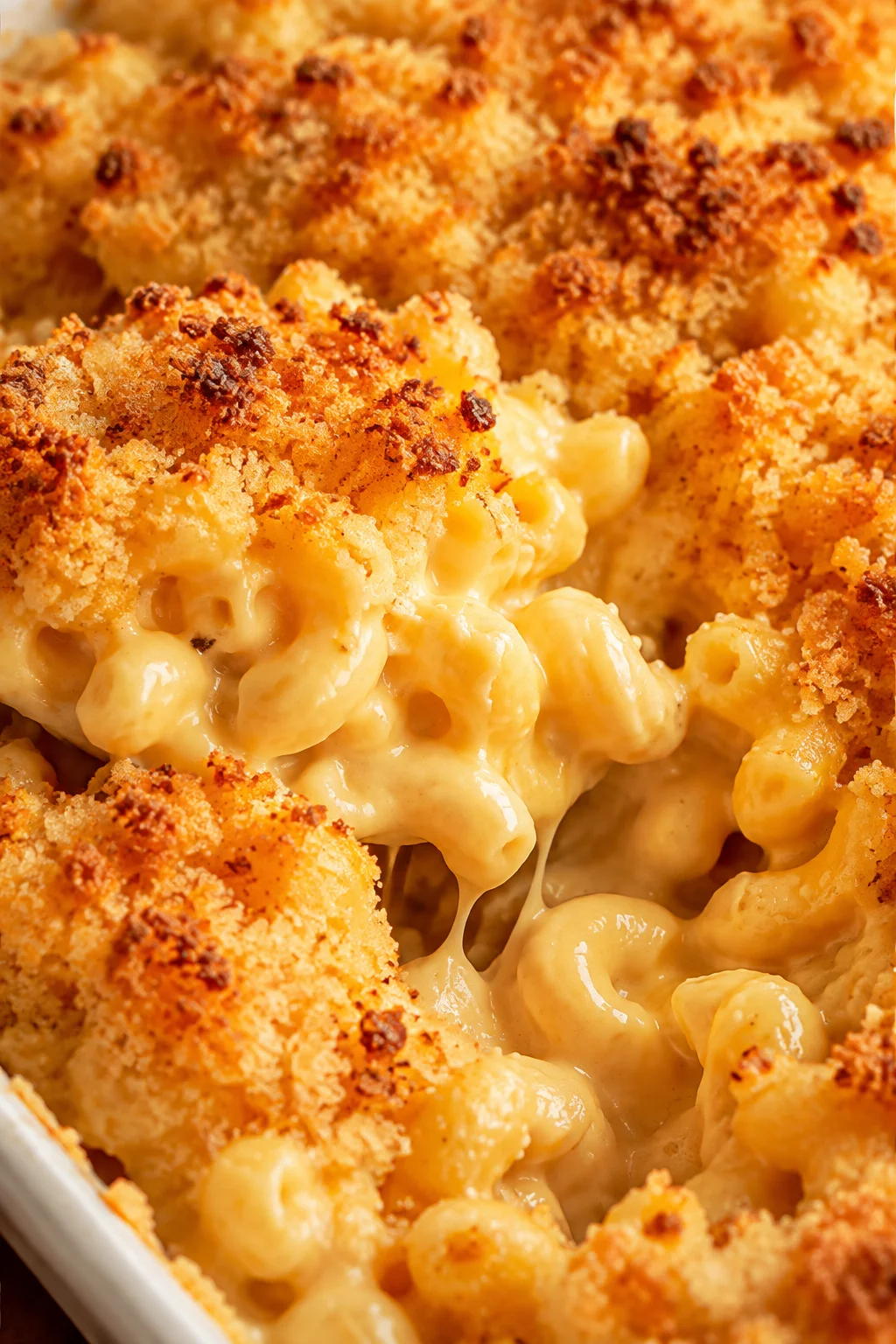
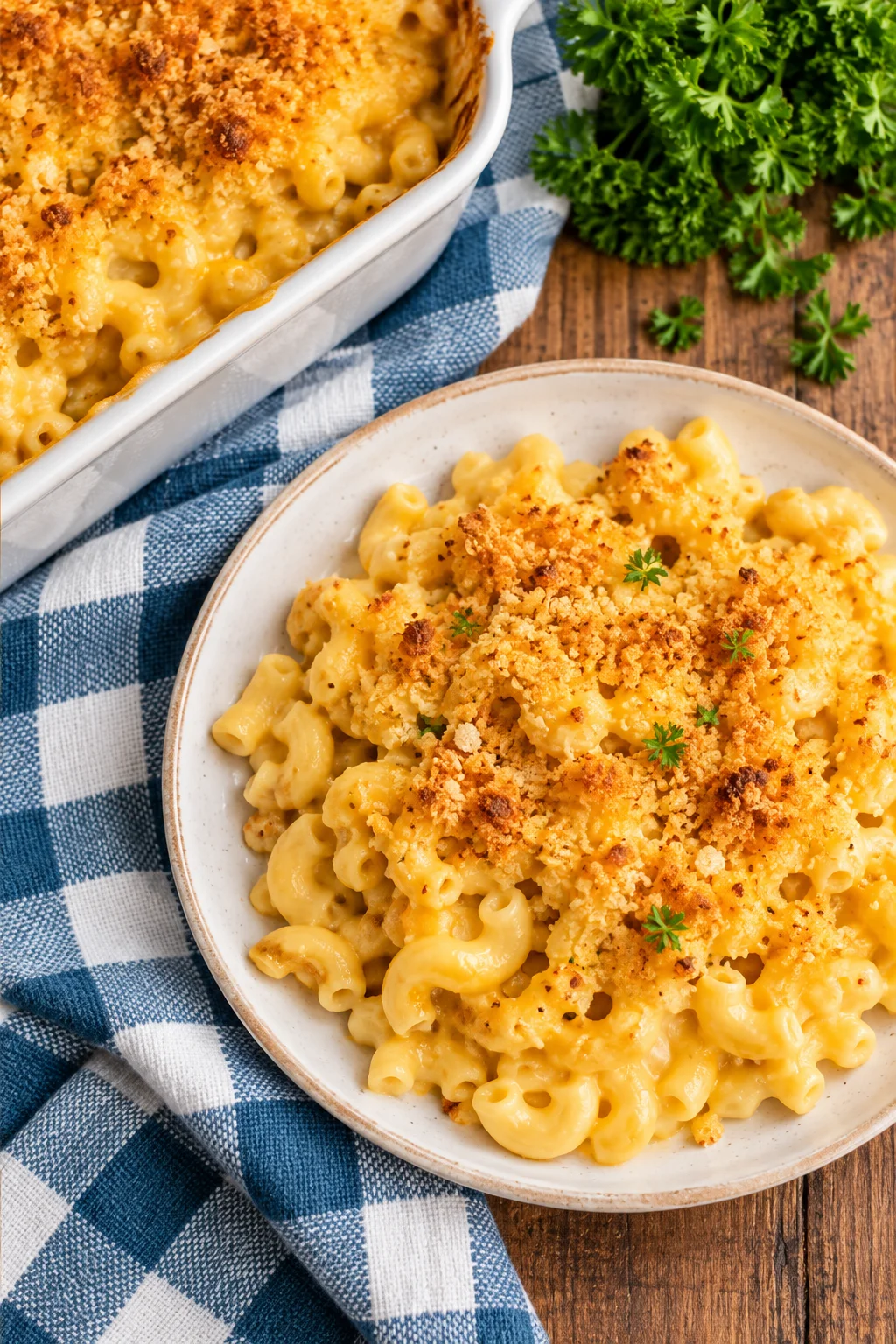
- A crispy, golden panko topping that adds texture contrast against the creamy interior.
- Make-ahead friendly, since it assembles easily the day before and bakes fresh when you’re ready.
- A crowd-pleasing classic that works for weeknight dinners just as well as a holiday side dish.
- Freezer-friendly, which most delicate cheese sauces aren’t, once you know how to handle the reheat.
Recipe At a Glance
- Prep time: 20 minutes
- Cook time: 30 minutes
- Total time: about 50 minutes
- Servings: 8
- Estimated calories: ~460 per serving (estimate; varies by cheese blend and topping amount)
- Estimated macros: ~19g protein, ~40g carbs, ~25g fat per serving
(Nutrition figures are estimates based on standard ingredient values, not a lab analysis — use them as a general guide.)
Ingredients
- 1 lb elbow macaroni
- 4 tablespoons unsalted butter, divided
- ¼ cup all-purpose flour
- 3 cups whole milk
- 8 oz block sharp cheddar cheese, shredded
- 8 oz block gruyère cheese, shredded
- 1 tablespoon cornstarch
- 1 teaspoon dry mustard powder
- ½ teaspoon garlic powder
- Salt and black pepper, to taste
- ¾ cup panko breadcrumbs
- ¼ cup grated parmesan
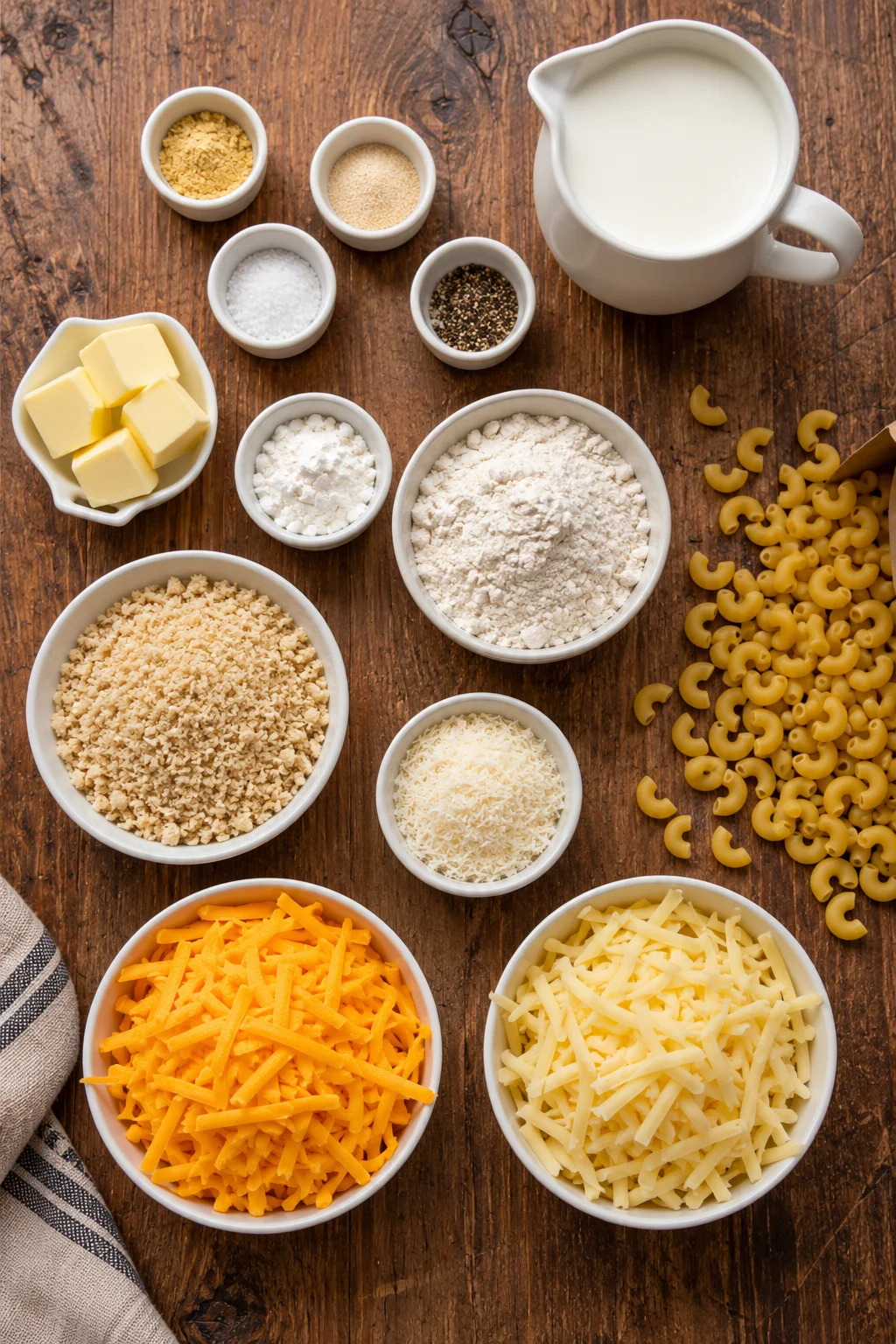
Ingredient notes: Buy block cheese and shred it yourself this isn’t optional if you want the smoothest possible sauce. Pre-shredded bags are coated in cellulose or potato starch to prevent clumping in the bag, and that same coating is exactly what keeps the cheese from melting smoothly into a sauce. Gruyère brings a nutty depth that pairs well with sharp cheddar, though a good Monterey Jack works as a milder substitute if gruyère isn’t available.
Equipment Needed
- Large pot, for the pasta
- Medium saucepan
- 9×13-inch baking dish
- Box grater
Step-by-Step Instructions
- Cook the pasta: Bring a large pot of salted water to a boil and cook the macaroni until just shy of al dente, about a minute less than the package suggests, since it will finish cooking in the oven. Drain and set aside.
- Toss the shredded cheese with cornstarch this is the step that prevents a grainy sauce: In a bowl, toss the freshly shredded cheddar and gruyère with the cornstarch until evenly coated. This light cornstarch coating helps stabilize the cheese proteins as they melt into the hot milk, keeping the sauce smooth and emulsified instead of letting the fat and protein separate into a grainy, slightly oily mess this is genuinely the single biggest fix for anyone who’s had baked mac and cheese turn out gritty in the past.
- Make the roux: In a medium saucepan, melt 3 tablespoons of the butter over medium heat, then whisk in the flour and cook for 1 minute, until lightly golden and no longer smelling raw.
- Add the milk gradually: Slowly whisk in the milk, a splash at a time at first to avoid lumps, then continue cooking for 4–5 minutes, until the mixture thickens enough to coat the back of a spoon.
- Melt in the cheese off direct heat: Remove the saucepan from heat, then add the cornstarch-coated cheese a handful at a time, stirring until each addition melts smoothly before adding more. Stir in the mustard powder, garlic powder, salt, and pepper.
- Combine with the pasta: Preheat the oven to 375°F. Pour the cheese sauce over the drained macaroni and stir until every piece is evenly coated. Transfer to the baking dish.
- Top and bake: Melt the remaining 1 tablespoon of butter and toss it with the panko and parmesan, then sprinkle evenly over the top. Pro tip: press the topping down gently so it makes good contact with the pasta underneath a loose, unpressed topping tends to slide off in clumps once baked.
- Bake until golden: Bake for 20–25 minutes, until the top is golden brown and the sauce is bubbling at the edges. Let rest for 5 minutes before serving.
Common Mistakes to Avoid
- Using pre-shredded, bagged cheese. This is exactly what causes a grainy, broken sauce the anti-caking coating interferes with smooth melting.
- Adding the cheese while the sauce is still over direct heat. Too much heat too fast can cause the proteins to seize and separate; remove from heat first.
- Cooking the pasta fully before baking. It should be slightly underdone going in, since it continues cooking and absorbing sauce in the oven.
- Skipping the topping press. An unpressed panko layer tends to slide off in clumps rather than forming a cohesive, crisp crust.
- Overbaking. Past about 25 minutes, the sauce can start to dry out and separate slightly at the edges pull it as soon as it’s golden and bubbling.
How to Store & Reheat
Store leftovers in an airtight container in the fridge for up to 4 days. To freeze, cool completely, then wrap tightly and freeze for up to 2 months thaw overnight in the fridge before reheating.
To reheat, warm in a 325°F oven for 15–20 minutes covered with foil, adding a splash of milk before covering to help loosen the sauce back up. The microwave works for smaller portions, in 1-minute bursts with a splash of milk stirred in between.
Recipe Variations & Substitutions
- Gluten-free: Use a gluten-free pasta and a 1:1 gluten-free flour blend for the roux.
- Add-ins: Crumbled bacon or diced ham folded in before baking turns this into more of a full meal.
- Spicier version: Add a pinch of cayenne to the sauce, or top with sliced jalapeños before baking.
- Different cheese blend: Smoked gouda or fontina both work well in place of gruyère for a different flavor direction.
- Lighter version: Use 2% milk instead of whole, though the sauce will be noticeably less rich and may need a touch more cornstarch to thicken properly.
- Stovetop-only version: Skip the baking step entirely and serve the sauce and pasta straight from the stovetop for a quicker, no-oven version.
Nutritional & Health Angle
This is a dish built around cheese, butter, and pasta, so it’s meant to be enjoyed as a rich comfort food rather than a light everyday meal. Using 2% milk and trimming back the cheese slightly are both easy ways to lighten individual portions without losing the core creamy texture. There’s nothing here framed as health food just an honest, from-scratch version of a classic that most people already know and love.
FAQ
Can I use pre-shredded cheese if I’m short on time?
You can, but expect a slightly grainier sauce if you do use it, toss it with cornstarch anyway, since that step still helps even if it can’t fully counteract the anti-caking coating.
Can I make this ahead of time?
Yes assemble it through the topping step, cover, and refrigerate for up to a day, then bake as directed, adding about 5–10 extra minutes since it’ll start cold from the fridge.
Why did my sauce turn out grainy even though I followed the steps?
This usually traces back to either using bagged pre-shredded cheese or adding the cheese while the sauce was still over direct heat both interfere with a smooth melt.
Is this recipe gluten-free?
Not as written, since it uses regular pasta and a flour-based roux swap in gluten-free pasta and a 1:1 gluten-free flour blend to make it fully gluten-free.
Can I freeze this after baking?
Yes, though cheese sauces can separate slightly after freezing and reheating a splash of milk stirred in during reheating helps bring it back together.
What if I don’t have gruyère on hand?
Monterey Jack or a mild fontina both work as substitutes, though you’ll lose some of the nutty depth gruyère specifically brings to the sauce.
Final Thoughts
The cheese blend and topping get the attention, but it’s really that quick cornstarch toss before the cheese ever hits the sauce that determines whether you end up with something smooth and glossy or grainy and separated. It’s a small step that makes a genuinely noticeable difference.
Which variation are you trying first the classic version, or loading it up with bacon?
- 1 lb elbow macaroni
- 4 tablespoons unsalted butter divided
- ¼ cup all-purpose flour
- 3 cups whole milk
- 8 oz block sharp cheddar cheese shredded
- 8 oz block gruyère cheese shredded
- 1 tablespoon cornstarch
- 1 teaspoon dry mustard powder
- ½ teaspoon garlic powder
- Salt and black pepper to taste
- ¾ cup panko breadcrumbs
- ¼ cup grated parmesan
Cook the pasta: Bring a large pot of salted water to a boil and cook the macaroni until just shy of al dente, about a minute less than the package suggests, since it will finish cooking in the oven. Drain and set aside.
Toss the shredded cheese with cornstarch this is the step that prevents a grainy sauce: In a bowl, toss the freshly shredded cheddar and gruyère with the cornstarch until evenly coated. This light cornstarch coating helps stabilize the cheese proteins as they melt into the hot milk, keeping the sauce smooth and emulsified instead of letting the fat and protein separate into a grainy, slightly oily mess this is genuinely the single biggest fix for anyone who’s had baked mac and cheese turn out gritty in the past.
Make the roux: In a medium saucepan, melt 3 tablespoons of the butter over medium heat, then whisk in the flour and cook for 1 minute, until lightly golden and no longer smelling raw.
Add the milk gradually: Slowly whisk in the milk, a splash at a time at first to avoid lumps, then continue cooking for 4–5 minutes, until the mixture thickens enough to coat the back of a spoon.
Melt in the cheese off direct heat: Remove the saucepan from heat, then add the cornstarch-coated cheese a handful at a time, stirring until each addition melts smoothly before adding more. Stir in the mustard powder, garlic powder, salt, and pepper.
Combine with the pasta: Preheat the oven to 375°F. Pour the cheese sauce over the drained macaroni and stir until every piece is evenly coated. Transfer to the baking dish.
Top and bake: Melt the remaining 1 tablespoon of butter and toss it with the panko and parmesan, then sprinkle evenly over the top. Pro tip: press the topping down gently so it makes good contact with the pasta underneath a loose, unpressed topping tends to slide off in clumps once baked.
Bake until golden: Bake for 20–25 minutes, until the top is golden brown and the sauce is bubbling at the edges. Let rest for 5 minutes before serving.
Creamy Baked Mac & Cheese
Last modified: September 18, 2026