
Easy Pasta Carbonara (Creamy, Silky, Ready in 25 Minutes)
 • July 31, 2026
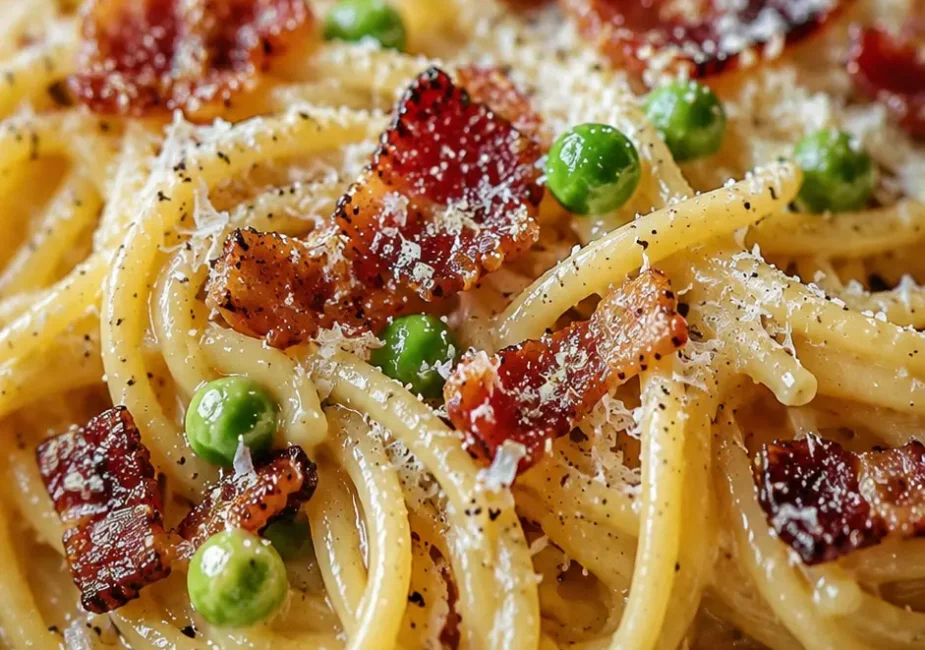
If you’re craving a bowl of rich, silky pasta that feels special yet comes together fast on a weeknight, this pasta carbonara delivers. Golden bits of cured pork, sharp cheese, and black pepper coat every strand in a glossy sauce that clings without feeling heavy.
It works for busy families, date nights, or when you simply want something comforting and beautiful enough for Pinterest. One pan, pantry staples, and pure flavor make it worth making again and again.
Why You’ll Love This Pasta Carbonara
- Silky sauce without cream: Eggs and cheese create a luxurious coating that stays light and glossy.
- Ready in under 30 minutes: Perfect for nights when time is short but you still want something satisfying.
- Crispy pork contrast: Guanciale or pancetta adds salty crunch against the soft pasta.
- Family-friendly comfort: Mild enough for kids yet bold enough for adults who love black pepper.
- Pinterest-ready looks: The glossy strands and golden pork bits photograph beautifully for boards and pins.
What Is Pasta Carbonara?
Pasta carbonara is a Roman classic built on just a few ingredients: pasta, cured pork, eggs, hard cheese, and black pepper. The heat of the pasta gently cooks the eggs into a smooth, creamy sauce that coats every strand without scrambling.
The magic sits in the balance. Salty pork renders fat that carries flavor, cheese melts into the eggs, and generous black pepper cuts through the richness. It tastes indulgent yet stays simple enough for any home cook.
Is This Recipe Authentic?
Traditional pasta carbonara comes from Rome and is called spaghetti alla carbonara. Authentic versions use guanciale (cured pork jowl), Pecorino Romano, eggs, and black pepper. No cream, no garlic, no onions.
This version stays close to the classic method while allowing pantry-friendly swaps like pancetta or Parmesan when needed. The cooking technique—tossing hot pasta with the egg-cheese mixture off the heat—remains the same so the sauce stays silky and true to its roots.
Ingredients You’ll Need
Main Base
- 12 ounces (340 g) spaghetti or bucatini: Long strands hold the sauce perfectly.
- 4 ounces (115 g) guanciale or pancetta, cut into ½-inch pieces: Renders fat and adds salty crunch.
- 3 large eggs + 1 egg yolk: Create the silky sauce base.
- 1 cup (100 g) finely grated Pecorino Romano or Parmesan: Melts smoothly and brings sharp, salty flavor.
- 1 teaspoon freshly ground black pepper, plus more to finish: Essential for the classic peppery bite.
- ½ teaspoon kosher salt (for pasta water only): Seasons the pasta from the inside.
Optional Garnish
- Extra grated cheese and black pepper: Adds visual appeal and extra flavor at the table.
How to Make Pasta Carbonara
Boil the pasta Bring a large pot of water to a rolling boil. Add ½ teaspoon salt and the spaghetti. Cook until al dente, about 1 minute less than the package time. Reserve 1 cup of starchy pasta water before draining.
Cook the pork While the pasta cooks, place the guanciale or pancetta in a large cold skillet. Turn heat to medium and cook, stirring occasionally, until the fat renders and the pieces turn golden and crisp, 6–8 minutes. Remove the skillet from heat. Leave the fat in the pan.
Whisk the egg mixture In a medium bowl, whisk the eggs, egg yolk, grated cheese, and 1 teaspoon black pepper until smooth and thick. The mixture should look pale yellow and slightly creamy.
Combine off the heat Add the drained hot pasta to the skillet with the pork and fat. Toss to coat. Wait 30 seconds so the pasta cools slightly. Pour in the egg-cheese mixture and toss vigorously with tongs. Add reserved pasta water 2 tablespoons at a time until the sauce turns glossy and clings to the strands. It should look creamy, never scrambled.
Finish and serve Taste and adjust with more black pepper if needed. Serve immediately in warm bowls with extra cheese and pepper on top.
The Simple Cooking Science Behind This Recipe
The sauce thickens because the residual heat of the pasta gently cooks the eggs without scrambling them. Starch from the pasta water acts as an emulsifier, helping the fat from the pork and the cheese bind with the eggs into a smooth coating.
Moving the skillet off the heat before adding the egg mixture keeps the temperature in the safe zone where proteins set softly instead of turning into scrambled eggs. Continuous tossing spreads the heat evenly so every strand gets coated.
Expert Tips for Best Results
- Use room-temperature eggs so they blend smoothly and cook more evenly.
- Grate the cheese yourself. Pre-grated cheese often contains anti-caking agents that prevent melting.
- Keep the pork pieces similar in size so they crisp at the same rate.
- Reserve more pasta water than you think you need. The starchy liquid is the key to adjusting sauce consistency.
- Work quickly once the pasta is drained. The residual heat is what sets the sauce.
- Warm the serving bowls so the pasta stays hot longer and the sauce stays fluid.
- Freshly grind the black pepper. Pre-ground pepper loses its bright aroma.
Easy Variations
- Spicy version: Add a pinch of red pepper flakes to the pork while it cooks.
- Lighter option: Use turkey bacon and reduce the cheese by one-third.
- Vegetarian twist: Replace the pork with sautéed mushrooms and a pinch of smoked paprika.
- Extra protein: Stir in leftover shredded chicken at the end.
- Kid-friendly mild: Cut the black pepper in half and offer extra cheese on the side.
- Party-style: Serve smaller portions in individual bowls with a side of garlic bread.
What to Serve With Pasta Carbonara
A simple green salad with lemon vinaigrette cuts the richness. Garlic bread or crusty focaccia soaks up extra sauce. Roasted asparagus or broccolini adds color and freshness. For a fuller meal, pair with a light tomato soup. At a dinner party, start with olives and prosciutto. For meal prep, keep the pasta separate and reheat gently with a splash of water. On weekends, serve alongside a glass of crisp white wine.
How to Store and Reheat
Store leftovers in an airtight container in the refrigerator for up to 3 days. Freezing is possible but not ideal—the sauce can separate and the texture becomes less silky after thawing. If you freeze, use within 1 month and reheat slowly.
To reheat, place a portion in a skillet over low heat. Add 1–2 tablespoons of water or milk and stir gently until warmed through and creamy again. Avoid the microwave if possible; it can make the eggs rubbery. For make-ahead, cook the pork and grate the cheese in advance, then finish the pasta fresh.
Common Mistakes to Avoid
- Adding the eggs while the pan is still on high heat: This scrambles them. Always remove the skillet from the burner first.
- Skipping the pasta water: Without it the sauce turns thick and clumpy instead of glossy.
- Using cold eggs straight from the fridge: They seize and create lumps. Let them sit out 15 minutes.
- Overcooking the pasta: Al dente is essential so the strands keep their texture under the sauce.
- Under-seasoning the water: The pasta itself needs salt; the sauce alone is not enough.
- Letting the dish sit too long before serving: Carbonara is best eaten immediately while the sauce is fluid.
Frequently Asked Questions
Can I use bacon instead of guanciale or pancetta?
Yes. Choose thick-cut bacon and cook until crisp. Drain most of the extra fat if it seems excessive.
Is cream traditional in carbonara?
No. Authentic Roman carbonara relies only on eggs and cheese for creaminess.
Can I make this ahead of time?
The finished dish is best served right away. You can cook the pork and mix the egg-cheese base a few hours ahead, then finish with hot pasta when ready.
What if my sauce looks scrambled?
It means the pan was too hot. Next time remove from heat and wait 30 seconds before adding the eggs. For the current batch, keep tossing with extra pasta water to smooth it as much as possible.
Can I use whole-wheat or gluten-free pasta?
Yes. Adjust cooking time according to the package and reserve extra pasta water, as these pastas can absorb more liquid.
How do I make it less salty?
Use Parmesan instead of Pecorino and reduce the amount of cured pork slightly. Taste before adding extra salt.
Last modified: July 31, 2026