

Tender Smoked Chuck Roast Recipe (Juicy, Fall-Apart Beef That Rivals Brisket)
 • July 31, 2026
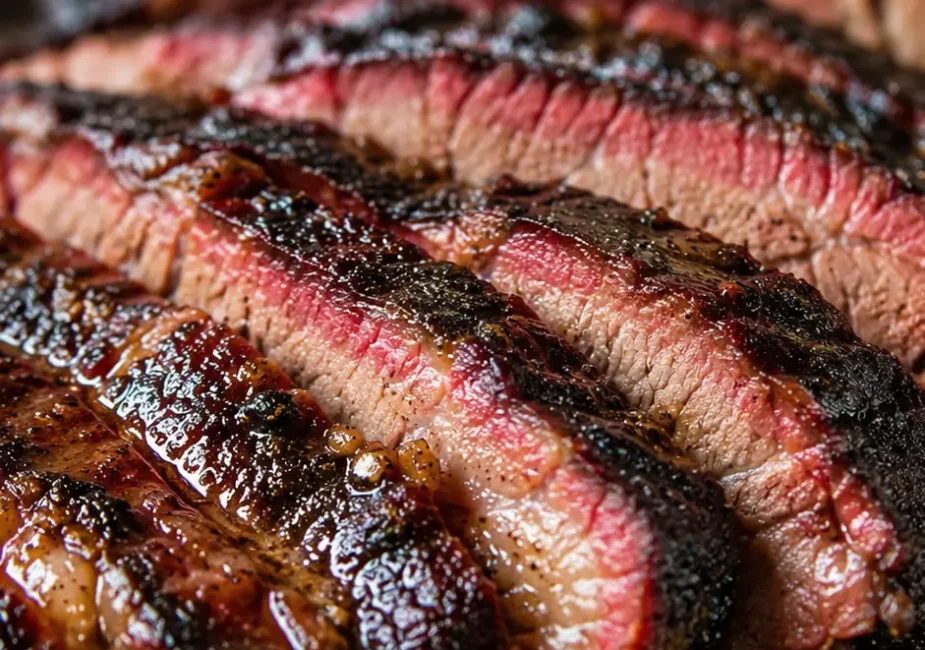
If you’re craving rich, smoky beef that slices cleanly or shreds with a fork, this tender smoked chuck roast recipe delivers every time. Chuck roast turns buttery soft when cooked low and slow, picking up deep wood-smoke flavor while the fat and collagen melt into pure juiciness.
It works for Sunday dinners, game-day sandwiches, or meal-prep bowls. The bark forms a flavorful crust, the interior stays moist, and the whole process stays beginner-friendly with clear temperature cues.
Quick Recipe Snapshot
- Prep Time: 15 minutes
- Cook Time: 6–8 hours
- Total Time: 7–9 hours (including rest)
- Servings: 6–8
- Difficulty: Easy
- Best For: Family dinners, meal prep, sandwiches, potlucks
- Main Flavor Notes: Deep smoke, savory beef, peppery bark, subtle garlic
Why You’ll Love This Tender Smoked Chuck Roast Recipe
- Brisket-level tenderness without the size or cost. Chuck roast has plenty of marbling and connective tissue that breaks down beautifully under low heat.
- Reliable bark and juicy interior. The simple rub and wrap method protect moisture while building a dark, flavorful crust.
- Flexible serving options. Slice it for dinner plates or shred it for tacos, nachos, and sandwiches.
- Mostly hands-off cooking. Once the smoker is set and the roast is wrapped, you check temperature and go about your day.
- Pinterest-perfect results. The finished roast looks impressive with its dark bark and glossy juices, ideal for photos and leftovers.
What Is Tender Smoked Chuck Roast?
Smoked chuck roast starts with a well-marbled beef chuck roast, a shoulder cut packed with connective tissue and fat. Low, steady heat and wood smoke slowly convert that collagen into gelatin. The result is meat that holds together for clean slices or pulls apart for sandwiches.
The method mirrors classic barbecue techniques used for larger cuts. A basic salt-and-pepper rub builds bark, while wrapping mid-cook (the “Texas crutch”) helps the roast push past the stall without drying out. Beginners get clear temperature targets so timing stays predictable.
Recipe Inspiration
This approach draws from Texas-style low-and-slow barbecue. Pitmasters often treat chuck roast as a smaller, more accessible alternative to full brisket. The same principles apply: simple seasoning, steady smoke, wrapping to manage moisture, and resting for maximum juiciness. No elaborate sauces or complicated steps—just solid technique that highlights the beef itself.
Ingredients You’ll Need
Main Base
- 3–4 lb beef chuck roast (choose one with visible marbling for better moisture and flavor)
- 1 tablespoon olive oil or yellow mustard (acts as a binder so the rub sticks evenly)
Dry Rub
- 2 tablespoons kosher salt (draws out surface moisture and seasons deeply)
- 1½ tablespoons coarse black pepper (forms the classic peppery bark)
- 1 tablespoon garlic powder (adds savory depth without burning)
- 1 teaspoon onion powder (rounds out the flavor)
- 1 teaspoon smoked paprika (optional, for mild color and extra smoke notes)
For Wrapping (Optional but Recommended)
- 2 tablespoons beef tallow or unsalted butter (keeps the meat moist and adds richness during the final stage)
Spritz (Optional)
- ½ cup apple cider vinegar or beef broth mixed with a little water (prevents the surface from drying too early)
How to Make Tender Smoked Chuck Roast Recipe
1. Season the roast. Pat the chuck roast dry with paper towels. Rub the olive oil or mustard over all sides. Mix the salt, pepper, garlic powder, onion powder, and paprika. Coat the roast evenly, pressing the rub into the meat. Let it sit at room temperature for 30–45 minutes while the smoker preheats.
2. Preheat the smoker. Set your smoker to 225–250°F. Use oak, hickory, or pecan wood for clean beef flavor. Place a water pan inside if your smoker allows it to help maintain humidity.
3. Smoke until the bark sets. Place the roast fat-side up directly on the grates. Close the lid and smoke for 3–4 hours, or until the internal temperature reaches about 165–175°F and a dark bark has formed. Spritz lightly with the vinegar or broth mixture once an hour after the first 2 hours if the surface looks dry.
4. Wrap and finish. Remove the roast. Place it on a large sheet of butcher paper or heavy-duty foil. Add the beef tallow or butter on top. Wrap tightly. Return to the smoker. Continue cooking until the internal temperature hits 200–205°F and a probe slides in with almost no resistance. This usually takes another 2–4 hours.
5. Rest the meat. Keep the roast wrapped and rest it in a cooler or warm oven for at least 45–60 minutes. The juices redistribute and the meat finishes relaxing.
6. Slice or shred. Unwrap carefully, saving any juices. Slice against the grain into ¼-inch pieces for plated servings, or shred with forks for sandwiches and tacos. Spoon the reserved juices over the top.
The Simple Cooking Science Behind This Recipe
Chuck roast contains a high amount of collagen, the tough connective tissue that makes the cut firm when cooked quickly. Collagen begins to break down around 160°F and continues converting to gelatin as the temperature climbs toward 200°F. That gelatin coats the muscle fibers and creates the juicy, melt-in-your-mouth texture.
Wrapping the meat traps steam and heat, helping the roast move through the stall (the plateau around 150–170°F caused by evaporative cooling). The wrap also protects the bark from becoming overly dry while the interior finishes tenderizing. Resting after cooking lets the muscle fibers reabsorb the juices that would otherwise run out when sliced.
Expert Tips for Best Results
- Choose a roast with good marbling. Lean cuts stay drier even with careful cooking.
- Always cook to probe tenderness, not just a temperature number. Some roasts need a few extra degrees past 200°F.
- Keep the smoker temperature steady. Big swings slow the process and can toughen the exterior.
- Use butcher paper for better bark retention or foil for maximum moisture. Both work.
- Slice against the grain. Cutting with the grain leaves the meat chewy.
- Save the juices from the wrap. They add instant flavor and moisture when serving.
- Start earlier than you think you need. A resting window is better than rushing the final temperature.
Easy Variations
- Spicy version: Add 1 teaspoon cayenne or chipotle powder to the rub.
- Sweet-smoky: Mix 1 tablespoon brown sugar into the rub for a mild caramelized edge.
- Pulled-beef style: Cook to 205–210°F and shred completely for sandwiches or nachos.
- Herb-forward: Add 1 teaspoon dried thyme or rosemary to the rub.
- Foil-pan method: After the bark forms, place the roast in a pan with 1 cup beef broth and sliced onion, cover tightly, and finish.
- Lighter rub: Cut the salt slightly and rely more on pepper and garlic for a cleaner beef taste.
What to Serve With Tender Smoked Chuck Roast
- Creamy mashed potatoes or smoked baked potatoes
- Simple coleslaw or vinegar-based cabbage salad
- Grilled or roasted corn on the cob
- Soft buns for sandwiches with pickles and onions
- Mac and cheese or cheesy grits
- Roasted green beans or asparagus
- Fresh flour tortillas for tacos or burritos
These pairings work for weeknight dinners, weekend gatherings, or make-ahead lunches.
How to Store and Reheat
Store cooled leftovers in an airtight container in the refrigerator for up to 4 days. Keep some of the cooking juices with the meat to maintain moisture.
Freezing is possible for up to 2 months. Wrap portions tightly or use freezer bags with a bit of juice. Thaw overnight in the fridge. Texture stays good but is slightly less ideal than fresh.
Reheat gently: warm slices or shredded meat in a covered skillet with a splash of broth or juices over low heat, or place in a 275°F oven covered until heated through. Avoid high heat or the microwave without liquid, which can dry the beef.
Make-ahead tip: Smoke the roast a day ahead, rest, then refrigerate. Reheat and slice just before serving for easy entertaining.
Common Mistakes to Avoid
- Pulling the roast too early. Below 195°F the collagen has not fully broken down and the meat stays tough.
- Skipping the rest. Cutting immediately lets juices run out and leaves the slices dry.
- Using too much smoke wood. Heavy white smoke can turn the meat bitter. Aim for thin blue smoke.
- Ignoring the grain when slicing. Always cut across the muscle fibers for tenderness.
- Letting the smoker temperature swing wildly. Steady heat produces more consistent results.
- Over-spritzing. Too much liquid softens the bark before it sets.
Frequently Asked Questions
Can I use a different wood? Oak, hickory, and pecan pair best with beef. Fruit woods like apple or cherry give a milder smoke if preferred.
What if I don’t have butcher paper? Heavy-duty aluminum foil works well. The bark will be slightly softer but the meat stays moist.
Can I make this in an oven? Yes. Season the same way, roast uncovered at 250°F until 165°F, then wrap and continue to 200–205°F. You lose the smoke flavor unless you add liquid smoke sparingly.
How do I know when it’s probe tender? A thermometer or skewer should slide into the thickest part with almost no resistance, similar to warm butter.
Is the rub spicy? No. The basic version is savory and peppery. Add cayenne only if you want heat.
Can I double the recipe? Yes. Space the roasts so smoke and heat circulate. Cooking time stays roughly the same per roast; monitor each one individually.
Tender Smoked Chuck Roast Recipe
Last modified: July 31, 2026