

Easy Mediterranean Roasted Eggplant Recipe (Crispy Edges, Melty Centers, Ready in Under an Hour)
 • August 17, 2026
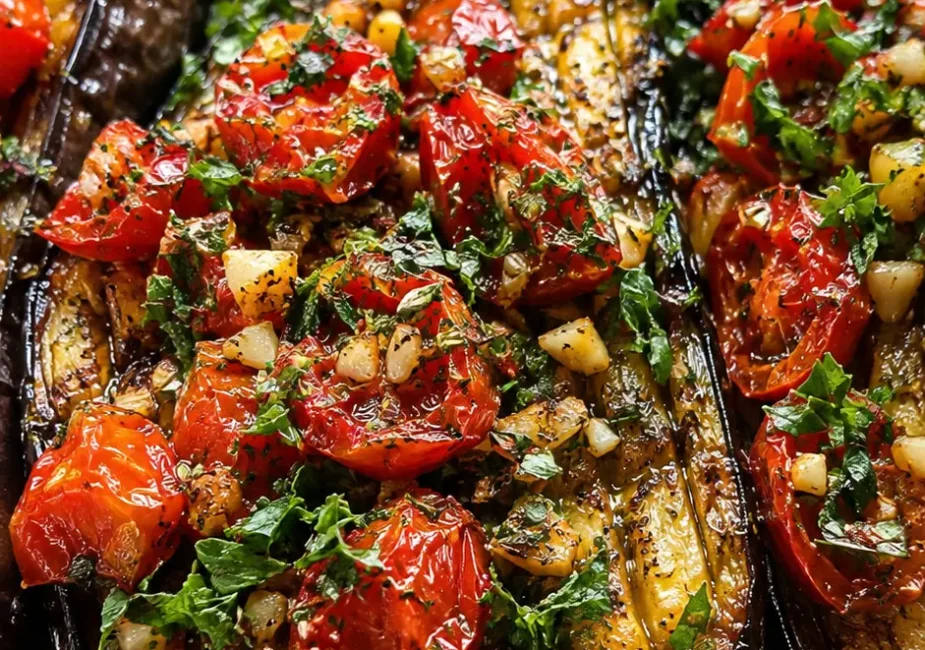
If you’re craving a colorful vegetable side that tastes bright, savory, and satisfying without much effort, this easy Mediterranean roasted eggplant recipe delivers. Cubes of eggplant roast until the edges turn golden and slightly crisp while the centers stay soft and creamy. A simple mix of olive oil, garlic, lemon, and herbs brings out deep flavor that works for weeknight dinners or weekend gatherings.
This dish feels special enough for guests yet simple enough for busy nights. Serve it warm as a side, toss it into grain bowls, or pile it on toast. The result looks beautiful on the plate and keeps well for leftovers.
Quick Recipe Snapshot
- Prep Time: 15 minutes
- Cook Time: 30–35 minutes
- Total Time: 45–50 minutes
- Servings: 4 as a side
- Difficulty: Easy
- Best For: Weeknight sides, meal prep, vegetarian plates, potlucks
- Main Flavor Notes: Savory, bright, garlicky, with mild sweetness from caramelized eggplant
Why You’ll Love This Easy Mediterranean Roasted Eggplant Recipe
- Golden, crispy edges with creamy centers. High-heat roasting draws out moisture so the outside browns while the inside stays soft.
- Minimal hands-on time. Chop, toss, and roast. Most of the work happens in the oven.
- Bright Mediterranean flavor without heavy sauces. Olive oil, lemon, garlic, and herbs create balance that feels light yet satisfying.
- Looks beautiful on the plate. The deep purple skins and golden cubes photograph well and add color to any spread.
- Flexible for many meals. Serve hot, room temperature, or cold. It fits weeknight dinners, lunch bowls, or make-ahead sides.
What Is Easy Mediterranean Roasted Eggplant Recipe?
This dish features eggplant cubes roasted with olive oil, garlic, and classic Mediterranean seasonings until tender and caramelized. A quick finish of lemon juice and fresh herbs brightens everything. The texture contrast—crisp edges against soft centers—makes it more interesting than plain steamed or sautéed vegetables.
Beginners appreciate the forgiving method. Eggplant absorbs oil and seasoning easily, and the high oven heat does most of the work. No special equipment or advanced skills are required.
Recipe Inspiration
This version draws from Mediterranean cooking traditions that often feature roasted or grilled eggplant with olive oil, garlic, lemon, and herbs. In many coastal regions, simple high-heat cooking highlights the vegetable’s natural sweetness and soft texture. The recipe stays approachable for home kitchens while keeping those bright, herb-forward flavors front and center.
Ingredients You’ll Need
Main Base
- 2 medium eggplants (about 2 pounds / 900 g total): Choose firm, shiny ones for the best texture and fewer seeds.
- 3 tablespoons extra-virgin olive oil: Helps the eggplant brown and carries the flavors of garlic and herbs.
- 1 teaspoon kosher salt: Draws out excess moisture and seasons the flesh evenly.
- ½ teaspoon black pepper: Adds gentle heat that balances the mild eggplant.
Seasoning Mix
- 3 garlic cloves, minced: Provides savory depth that mellows during roasting.
- 1 teaspoon dried oregano: Brings classic Mediterranean aroma.
- ½ teaspoon dried thyme: Adds earthy notes that complement the oregano.
- ½ teaspoon smoked paprika (optional): Gives a subtle smoky edge without overpowering.
Finish and Garnish
- 2 tablespoons fresh lemon juice: Brightens the finished dish and cuts through the richness of the oil.
- 2 tablespoons chopped fresh parsley: Adds color and a fresh herbal lift.
- ¼ cup crumbled feta cheese (optional): Provides salty creaminess that pairs well with the roasted eggplant.
Optional Add-ins
- 1 cup cherry tomatoes, halved: Roast alongside for juicy bursts of sweetness.
- Pinch of red pepper flakes: For mild heat if desired.
How to Make Easy Mediterranean Roasted Eggplant Recipe
1. Prep the eggplant. Preheat the oven to 425°F (220°C). Line a large rimmed baking sheet with parchment paper. Cut the eggplants into 1-inch cubes. Leave the skin on for color and structure.
2. Season thoroughly. Place the cubes in a large bowl. Add the olive oil, salt, pepper, minced garlic, oregano, thyme, and smoked paprika if using. Toss until every piece is coated. Spread the cubes in a single layer on the prepared sheet. Crowding causes steaming instead of roasting.
3. Roast until golden. Roast for 25–30 minutes, stirring once halfway through. The eggplant is ready when the edges are deep golden and slightly crisp and the centers feel tender when pierced with a fork.
4. Finish with brightness. Remove from the oven. Immediately drizzle with the lemon juice and sprinkle with chopped parsley. Add crumbled feta if using. Toss gently so the heat softens the cheese slightly.
5. Serve warm or at room temperature. Transfer to a serving platter. Taste and adjust salt or lemon if needed.
The Simple Cooking Science Behind This Recipe
Eggplant contains a lot of water. High heat drives that moisture out quickly so the surface can brown through the Maillard reaction. That browning creates the savory, slightly sweet notes that make roasted eggplant taste richer than steamed versions.
Salting and coating with oil before roasting helps two things. The salt pulls some water to the surface so it evaporates faster. The oil conducts heat evenly and prevents the pieces from drying out completely. Spreading the cubes in a single layer ensures hot air reaches every side. Crowding traps steam and leaves the eggplant soft and pale instead of golden.
A final splash of acid after roasting lifts the flavors. Lemon juice cuts through the oil and balances the mild sweetness of the caramelized eggplant without making the dish taste sour.
Expert Tips for Best Results
- Cut cubes the same size so they cook evenly. Larger pieces stay firm longer; smaller ones can dry out.
- Do not peel the eggplant. The skin helps the cubes hold their shape and adds color.
- Use a hot oven. Temperatures below 400°F tend to steam rather than roast.
- Stir only once. Too much moving interrupts browning.
- Taste after adding lemon. The acid brightens the dish but can overwhelm if you add too much.
- Serve soon after finishing if you want maximum texture contrast. The edges soften as the dish sits.
- Line the pan with parchment for easy cleanup and to prevent sticking.
Easy Variations
- Spicy version: Add ½ teaspoon red pepper flakes or a pinch of cayenne with the other seasonings.
- Creamy version: Stir in 2 tablespoons plain Greek yogurt or a drizzle of tahini after roasting.
- Lighter version: Use 2 tablespoons oil instead of 3 and skip the feta.
- High-protein addition: Top with chickpeas roasted on the same pan for the last 15 minutes.
- Air-fryer method: Cook at 400°F for 15–18 minutes, shaking the basket halfway. Work in batches if needed.
- Kid-friendly plate: Skip the garlic and paprika, then serve with a mild yogurt dip on the side.
What to Serve With Easy Mediterranean Roasted Eggplant Recipe
- Grilled chicken or fish for a complete plate
- Fluffy couscous or quinoa bowls
- Warm pita or crusty bread for scooping
- Simple green salad with lemon vinaigrette
- Roasted chickpeas or white beans for extra protein
- Poached eggs for a quick brunch option
- Alongside grilled halloumi or other Mediterranean cheeses
How to Store and Reheat
Store leftovers in an airtight container in the refrigerator for up to 4 days. The texture softens slightly but the flavor stays good.
Freezing is possible but not ideal. The eggplant becomes softer and more watery after thawing. If you do freeze, cool completely, then store in a freezer-safe container for up to 2 months. Thaw overnight in the fridge.
Reheat in a 375°F oven for 8–10 minutes to restore some crispness. A microwave works for speed but will soften the edges further. Avoid boiling or steaming leftover pieces.
For make-ahead, roast the eggplant up to a day in advance. Finish with lemon and herbs just before serving so the flavors stay bright.
Common Mistakes to Avoid
- Crowding the pan. Pieces steam instead of roast. Use two pans if needed.
- Skipping the high heat. Lower temperatures leave the eggplant pale and soft.
- Adding lemon too early. Acid can prevent browning if mixed in before roasting.
- Uneven cubes. Different sizes finish at different times. Aim for consistent 1-inch pieces.
- Under-seasoning. Eggplant needs enough salt and oil to develop flavor. Taste and adjust at the end.
- Over-stirring. Constant moving keeps the surface from browning properly.
Frequently Asked Questions
Can I use Japanese or Chinese eggplant instead of globe? Yes. These thinner varieties cook a bit faster and have fewer seeds. Reduce roasting time by about 5 minutes and check for tenderness.
How do I keep the eggplant from turning bitter? Modern eggplant varieties are rarely bitter. If you prefer, salt the cubes and let them sit 15–20 minutes, then pat dry before seasoning. This step is optional for most current produce.
Can I make this without oil? A light coating of oil is important for browning and texture. You can reduce it slightly, but completely oil-free roasting often yields dry, pale results.
Is this recipe gluten-free and dairy-free? Yes, as long as you skip the optional feta. All other ingredients are naturally free of gluten and dairy.
Can I prepare it ahead for a party? Roast the eggplant earlier in the day. Reheat gently and add lemon and herbs just before serving so the finish stays fresh.
What if I only have dried herbs? Dried oregano and thyme work well. Use the amounts listed. Fresh herbs are best saved for the final garnish.
Easy Mediterranean Roasted Eggplant Recipe
Last modified: August 17, 2026