
Quick 10-Minute Sautéed Vegetables (Crispy-Tender and Full of Flavor)
 • August 20, 2026
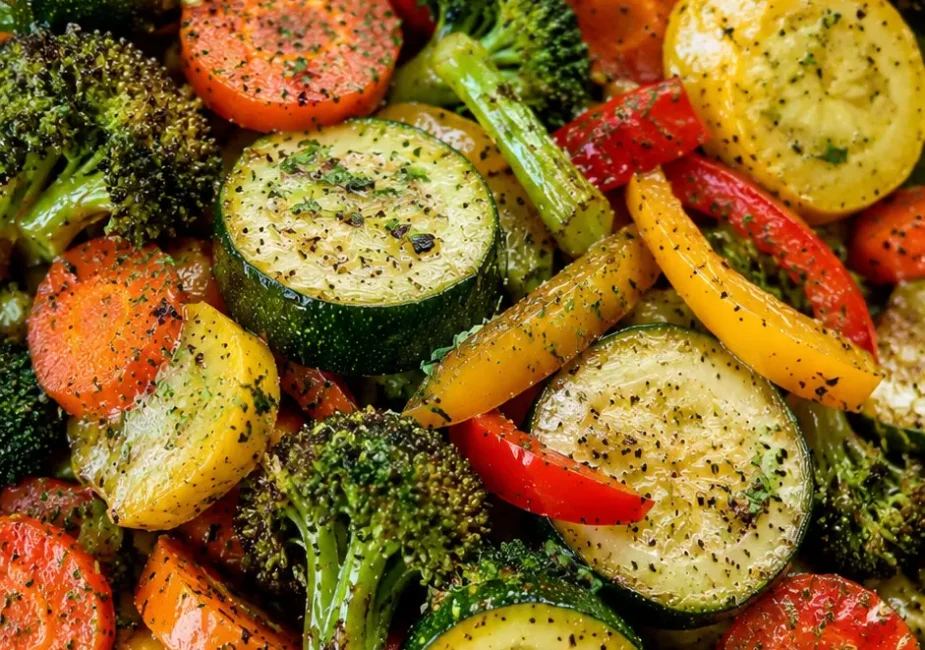
If you need a bright, colorful side that comes together faster than takeout, this quick 10-minute sautéed vegetables recipe delivers. Crisp-tender bites of broccoli, bell peppers, zucchini, and carrots meet garlic and a light savory glaze that clings without turning soggy.
The result is vibrant, slightly caramelized edges, fresh snap in every bite, and a clean flavor that works for weeknight dinners, meal prep, or a last-minute addition to any plate. It looks beautiful on the table and tastes even better than it looks.
Quick Recipe Snapshot
- Prep Time: 5 minutes
- Cook Time: 5–7 minutes
- Total Time: 10–12 minutes
- Servings: 4
- Difficulty: Easy
- Best For: Busy weeknights, meal prep, side dishes, beginner cooks
- Main Flavor Notes: Garlicky, lightly savory, fresh, with gentle sweetness from the vegetables
Why You’ll Love This Quick 10-Minute Sautéed Vegetables
- True 10-minute timing. Everything hits the pan in sequence so nothing overcooks while you wait.
- Crisp-tender texture every time. High heat and short cooking keep the vegetables bright and snappy instead of soft or watery.
- Family-friendly colors and flavors. Mild garlic and a touch of soy or seasoning make it appealing to kids and adults alike.
- Pinterest-ready visual appeal. The mix of green, red, yellow, and orange creates a colorful plate that photographs well.
- Flexible for any meal. Serve it as a side, toss it into grain bowls, or add protein for a complete dinner without extra effort.
What Is Quick 10-Minute Sautéed Vegetables?
This dish is a fast skillet method that cooks mixed vegetables over high heat with minimal oil and simple seasonings. The goal is to sear the outside just enough for light caramelization while keeping the inside crisp and vibrant.
It relies on uniform cuts, a hot pan, and quick movement so the vegetables steam lightly in their own moisture yet never turn limp. Garlic and a small amount of liquid seasoning add depth without masking the natural sweetness of the produce. Beginners appreciate how little active time is needed once the knife work is done.
Recipe Inspiration
This approach draws from everyday home-cooking techniques used across many kitchens when time is short. The high-heat sauté keeps vegetables colorful and textured, similar to the way many families prepare simple vegetable sides for weeknight tables. No single cuisine claims exclusive ownership; the method simply prioritizes speed, freshness, and balanced flavor.
Ingredients You’ll Need
Main Vegetables
- 1 medium head broccoli (about 300 g / 10 oz), cut into small florets: Provides sturdy texture and takes the heat well.
- 1 medium red bell pepper (about 150 g), sliced into thin strips: Adds sweetness and bright color.
- 1 medium yellow or orange bell pepper (about 150 g), sliced into thin strips: Brings extra color and mild flavor.
- 1 medium zucchini (about 200 g), halved lengthwise and sliced into half-moons: Cooks quickly and absorbs seasoning.
- 2 medium carrots (about 150 g), peeled and thinly sliced on the diagonal: Adds natural sweetness and crunch.
Seasoning Base
- 2 tablespoons neutral oil (avocado or light olive oil): Helps the vegetables sear without smoking too fast.
- 3 garlic cloves, minced: Builds savory aroma and flavor in seconds.
- ½ teaspoon fine salt: Draws out moisture slightly and seasons evenly.
- ¼ teaspoon black pepper: Adds gentle warmth.
Finishing Sauce
- 1 tablespoon low-sodium soy sauce or coconut aminos: Gives light umami without overpowering.
- 1 teaspoon sesame oil (optional): Adds nutty depth at the end.
- 1 teaspoon rice vinegar or fresh lemon juice: Brightens the finished dish and balances richness.
Optional Add-ins / Garnish
- 1 tablespoon toasted sesame seeds or chopped green onion: For visual contrast and mild crunch.
- Pinch of red pepper flakes: If you want gentle heat.
How to Make Quick 10-Minute Sautéed Vegetables
1. Prep the vegetables. Cut everything into similar small pieces so they cook at the same rate. Keep florets bite-sized and slices thin. Pat the vegetables dry if they feel damp. Moisture slows browning.
2. Heat the pan. Place a large skillet or wok over medium-high heat. Add the 2 tablespoons neutral oil and let it shimmer, about 30–45 seconds. The oil should look fluid and move easily when you tilt the pan.
3. Start with denser vegetables. Add the broccoli florets and carrot slices first. Stir-fry for 2 minutes, moving them constantly. You want the edges to turn bright green and the carrots to lose their raw firmness slightly.
4. Add the quicker-cooking vegetables. Toss in the bell pepper strips and zucchini. Continue stirring for another 2–3 minutes. The peppers should soften at the edges while staying crisp in the center. Zucchini will look glossy and slightly translucent.
5. Build the flavor. Push the vegetables to the side of the pan. Add the minced garlic to the open space and cook for 20–30 seconds until fragrant. Do not let it brown. Stir everything together so the garlic coats the vegetables.
6. Finish with seasoning. Drizzle the soy sauce (or coconut aminos), sesame oil if using, and rice vinegar or lemon juice over the pan. Toss quickly for 30–45 seconds until the liquid reduces slightly and coats the vegetables. Taste and adjust salt if needed. Remove from heat immediately.
7. Serve hot. Transfer to a serving dish. Sprinkle with sesame seeds or green onion if desired. Serve right away while the texture is still crisp-tender.
The Simple Cooking Science Behind This Recipe
High heat and constant movement create a balance between searing and light steaming. When the pan is hot enough, the surface of the vegetables browns quickly, developing mild caramelized flavor. At the same time, the short cooking time keeps internal water from fully escaping, so the vegetables stay juicy rather than dry or mushy.
Adding denser pieces first gives them a head start. Softer vegetables join later so nothing overcooks. A small amount of acid at the end brightens the natural sugars and keeps the overall taste clean instead of heavy. This sequence is what makes the dish feel fresh and fast rather than stewed.
Expert Tips for Best Results
- Cut everything the same size. Uneven pieces mean some stay raw while others turn soft.
- Dry the vegetables well. Excess water lowers the pan temperature and leads to steaming instead of sautéing.
- Do not overcrowd the pan. Work in batches if needed so everything has contact with the hot surface.
- Keep the heat medium-high the entire time. Lower heat produces limp, pale vegetables.
- Add garlic only at the end. It burns fast and turns bitter if left in the pan too long.
- Taste before serving. A final squeeze of lemon or splash of vinegar can lift the whole dish.
- Serve immediately. The crisp texture fades if the vegetables sit in residual heat.
Easy Variations
- Spicy version: Add ½ teaspoon red pepper flakes or a drizzle of chili oil with the garlic.
- Creamy twist: Stir in 1–2 tablespoons of a light tahini or yogurt sauce after removing from heat.
- Lighter version: Use 1 tablespoon oil and a nonstick pan; skip the sesame oil.
- High-protein add-in: Toss in cooked shrimp, cubed tofu, or leftover chicken in the last minute.
- Kid-friendly mild: Omit garlic and soy sauce; finish with a little butter and a pinch of salt.
- Air-fryer option: Toss vegetables with oil and seasonings, then air-fry at 400°F (200°C) for 8–10 minutes, shaking halfway.
What to Serve With Quick 10-Minute Sautéed Vegetables
- Grilled or pan-seared chicken or fish for a complete plate
- Steamed rice or quinoa for easy grain bowls
- Soft scrambled eggs or an omelet for a simple breakfast-for-dinner
- Baked salmon or tofu for lighter protein nights
- Pasta tossed with olive oil and Parmesan for a vegetable-forward main
- Meal-prep containers with cooked grains and protein for lunches
- Holiday or potluck spreads as a bright, colorful side
How to Store and Reheat
Store leftovers in an airtight container in the refrigerator for up to 3–4 days. The texture softens slightly but remains tasty.
Freezing is possible but not ideal. The vegetables lose their crisp snap and can become watery when thawed. If you must freeze, cool completely, portion into freezer bags, and use within 1 month. Thaw overnight in the fridge.
Reheat gently in a hot skillet with a splash of water or oil for 1–2 minutes, stirring constantly. Microwave on medium power in short bursts if needed, but the skillet keeps better texture. Avoid high-heat reheating that turns the vegetables mushy.
Make-ahead tip: Chop all vegetables up to 1 day ahead and store covered in the fridge. Cook just before serving for the best results.
Common Mistakes to Avoid
- Starting with a cold pan. The vegetables release water and steam instead of searing. Always wait for the oil to shimmer.
- Cutting pieces too large. Thick chunks stay undercooked in the center while the outside softens. Keep cuts uniform and small.
- Adding all vegetables at once. Denser ones need a head start or they finish underdone.
- Overcooking the garlic. Burnt garlic tastes bitter and ruins the clean flavor. Add it late.
- Skipping the final acid. Without a touch of vinegar or lemon, the dish can taste flat.
- Letting the finished vegetables sit in the hot pan. Residual heat continues cooking and softens the texture.
Frequently Asked Questions
Can I use frozen vegetables? Yes, but thaw and pat them dry first. Frozen vegetables release more water, so cook a minute longer and accept a slightly softer texture.
What other vegetables work well? Snap peas, green beans, mushrooms, or asparagus fit the timing. Keep total volume similar so the pan does not crowd.
Is this recipe gluten-free? Use coconut aminos or a gluten-free soy sauce and it is fully gluten-free.
Can I make it ahead for meal prep? Chop ahead, but cook the day you plan to eat for the best crisp texture. Reheated leftovers still taste good for 3–4 days.
How do I make it oil-free? Use a nonstick pan and a splash of water or broth, stirring frequently. The sear will be lighter but still workable.
What if I do not have soy sauce? A pinch of salt plus a squeeze of lemon or a dash of Worcestershire (if not vegetarian) works in a pinch.
Nutrition Facts
(Approximate values per serving, based on 4 servings. Actual nutrition varies by exact ingredients and brands.)
- Calories: 110
- Total Fat: 7 g
- Saturated Fat: 1 g
- Carbohydrates: 11 g
- Fiber: 4 g
- Sugars: 5 g
- Protein: 3 g
- Sodium: 280 mg
These numbers are estimates only and may change with substitutions.
This quick 10-minute sautéed vegetables recipe turns ordinary produce into a bright, flavorful side that fits almost any plate. Save it for busy nights, try one of the variations next time, and enjoy the color and crunch on your table.
Quick 10-Minute Sautéed Vegetables
Last modified: August 20, 2026