

9 Daily Habits to Build Lasting Self-Confidence and Boost Confidence
 • July 25, 2026
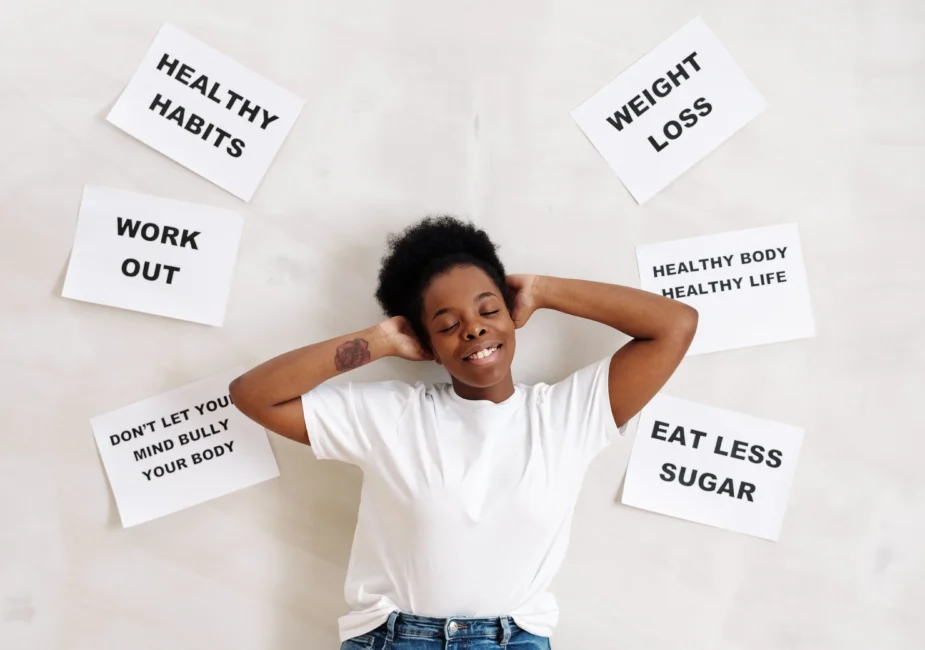
Becoming self-confident is not a linear process, it must be a journey. This article will talk about 10 daily habits that can help you to build your confidence and feel better about yourself on all aspects of your life.
Understanding Self-Confidence
What is Self-Confidence?
Self-confidence is the trust in your skills, decision making and self-worth. It’s a very positive affirmation that helps you overcome obstacles and deal with life’s uncertainties with confidence. Having a positive self-confidence is about believing that you can do things and can overcome obstacles, so you are more confident in different situations. It’s a significant factor in achieving personal health and achievement.
The Importance of Confidence in Daily Life
Self-confidence is one of the most important factors in many aspects of life. Having a healthy level of confidence makes you more likely to follow up on opportunities, express your opinion, build connections, and more. It gives you the ability to do things outside of the box, discovering new things and expanding your personal horizons—thereby achieving new personal growth and new achievements. This will give you a constant confidence boost that is essential for happiness.
How Self-Esteem Affects Self-Confidence
Self-esteem is closely related to self-confidence, which is the total self-image – the sense of self-worth. Self-esteem is an essential requirement for self-confidence – if you are feeling good about yourself, you are more likely to feel good about what you do and the choices you make. On the other hand, low self-esteem can take a big hit on self-confidence and make it more difficult to feel confident in one’s own abilities and to approach new situations.
Daily Habits to Boost Your Self-Confidence
Habit 1: Journaling for Self-Reflection
It is a fantastic habit to develop that enhances your self-confidence through self-reflection, by way of journaling. If you use a journal regularly, you have a chance to process your thoughts, feelings and experiences which can help you to become more self-confident. It is a good practice to celebrate positive behaviors and show success without judgment and to recognize areas for improvement. It’s also a very powerful technique for:
- Challenging negative self-talk
- Changing negative thoughts and replacing them with a more positive one
In the end, this makes you feel more confident in life.
Habit 2: Practicing Gratitude
Another transformative habit that can help boost your self-confidence is to practice gratitude. Continuous writing prompts for things you are grateful for can help you to focus on what you have rather than what you don’t, leading to a feeling of plenty and happiness. It’s a great way to overcome low self-esteem and help boost your self-worth by focusing on what you have to be thankful for. It’s a straightforward, yet effective strategy to make self-confidence and consider yourself as a better person and situation.
Habit 3: Mindfulness and Its Benefits
Practicing mindfulness throughout the day is a great practice to establish self-confidence. Mindfulness is about being in the here and now, with a full awareness of what is happening, thereby minimizing anxiety and self doubt. Mindfulness helps you see thoughts and emotions as they are without getting caught up in them, which will reduce the negative self-talk. This heightened awareness and clarity of mind can have a profound impact on your self-confidence and lead to increased confidence in your decisions and actions as you become more aware of your inner peace and competence.
Building Achievable Goals
Setting Realistic Expectations
One important learning to develop self-confidence and to prevent from falling into the trap of unrealistic expectations is to set realistic expectations. If you establish attainable objectives, you will be on a path to success and this will nourish positive self-confidence. The idea behind this is to divide larger goals into smaller steps which you can take a bite at a time. In doing so, you reap a number of benefits:
- You don’t have to deal with the discouragement that comes with not achieving your goals.
- You make it much easier to stay positive, and in constant upward growth.
Tracking Your Progress
It’s important to keep a track of your progress so that you can build your self-confidence and see how far you’ve come. You can have a sense of your ability and commitment by keeping track of your progress with your small goals on a regular basis. The regular visualization of your accomplishments can help to fight negative self-talk and strengthen your self-confidence. This is an effective way to remember just how far you’ve progressed and thus helps enhance your self-confidence and drive.
Celebrating Small Wins
Praising little successes can be a great tool for developing self-confidence and encouragement. Make sure to celebrate every little victory along the way, no matter how insignificant it may be. By celebrating, you will gain confidence and that will inspire you to do more and work harder in the future. When you can acknowledge these accomplishments, you’ll feel good about yourself and boost your self-esteem, demonstrating that self-esteem can be fostered over time by recognizing your abilities.
Strengthening Your Confidence Toolkit
Finding Your Support System
A key habit is finding your support system — it’s essential in building your confidence toolbox and overcoming obstacles. It is important that you have a positive, supportive and encouraging environment around you where you feel supported and have people that believe in you. This network is designed to offer emotional support, constructive feedback and a safe place to talk about your fears and aspirations. But when you know that you have people supporting you, you can be more confident in what you’re doing and able to do new things with a little more of that.
Seeking Guidance from a Therapist
If you are having a problem with something that is very entrenched, getting help from a therapist is an invaluable way to add to your confidence toolbox. A professional therapist will be able to offer you tailored strategies to learn how to:
- Take steps to question thoughts and beliefs that are negative and to work on low self-esteem
- Establish a more positive way of coping.
Learning to Start Acting Fearless
Last modified: July 28, 2026