

Small Apartment Decorating Ideas: 15 Smart Solutions That Make Any Small Space Feel Bigger, Brighter, and More Comfortable
 • July 28, 2026
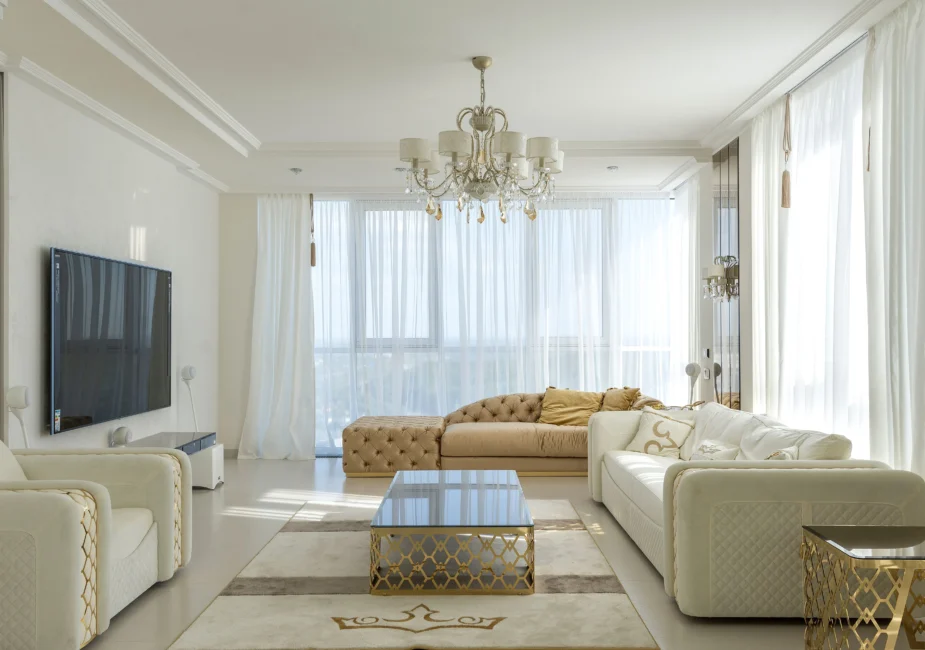
Have you ever walked into your apartment and thought, “Why does it feel so small?” You’re not alone.
Many people assume that decorating a small apartment means giving up comfort or style, but that’s rarely the real problem. In most cases, the issue isn’t the size of the apartment—it’s how the space is being used.
A well-designed small apartment can feel brighter, more organized, and surprisingly spacious without expensive renovations or custom furniture. A few thoughtful changes can completely transform the way your home looks and functions.
Whether you’re living in a studio apartment, a one-bedroom rental, or a compact city home, the right decorating ideas can help you create a space that feels welcoming instead of cramped.
This guide focuses on the most common decorating challenges people face and offers practical solutions you can actually use.
1. “My Apartment Feels Smaller Than It Really Is”
This is one of the biggest frustrations homeowners and renters experience.
The first instinct is often to blame the apartment itself, but oversized furniture, dark colors, and poor layouts usually make a room feel much smaller than it actually is.
Instead of filling every corner, create breathing room.
Leave small gaps between furniture and walls rather than pushing everything tightly together. Keep walking paths clear so the room feels open and comfortable to move through.
Even removing one unnecessary chair or side table can completely change how spacious a room feels.
Sometimes decorating is less about adding more and more about removing what doesn’t serve a purpose.
2. “I Never Have Enough Storage”
Limited storage is part of almost every small apartment.
When everyday items don’t have a dedicated place, clutter builds up quickly.
Look for furniture that works harder.
A storage ottoman can hide blankets while serving as extra seating. Beds with drawers underneath provide valuable space for seasonal clothing. Coffee tables with hidden compartments keep everyday essentials out of sight.
Don’t ignore vertical space either.
Floating shelves, wall-mounted cabinets, and over-the-door organizers allow you to store more without sacrificing valuable floor space.
Good storage doesn’t just organize your home—it also creates visual calm.
3. “Everything Looks Cluttered”
Clutter isn’t always caused by owning too much.
Sometimes it’s simply caused by having too many things visible at once.
Open countertops, crowded shelves, and decorative accessories everywhere compete for attention.
Try grouping decorative items instead of spreading them around the room.
Store items you don’t use daily inside baskets, decorative boxes, or cabinets.
When your eyes have fewer objects competing for attention, the room immediately feels larger and more relaxing.
Professional interior designers often say that empty space is part of the design itself.
4. “My Apartment Doesn’t Feel Cozy”
Many people confuse cozy with crowded.
Adding extra pillows, furniture, and decorations rarely creates warmth.
Instead, focus on atmosphere.
Layer different textures like knit throws, linen cushions, woven baskets, and soft rugs.
Warm lighting also changes everything.
Table lamps, floor lamps, and warm white bulbs create a comfortable evening atmosphere that overhead lights often can’t achieve.
Small details usually make a bigger difference than large decorative purchases.
5. “I’m Decorating on a Small Budget”
Creating a beautiful apartment doesn’t require spending thousands of dollars.
The most attractive homes usually evolve over time.
Start with improvements that have the biggest visual impact.
Fresh pillow covers, framed artwork, indoor plants, peel-and-stick wallpaper, and better lighting often transform a room for a fraction of the cost of replacing furniture.
Shopping secondhand can also uncover unique pieces with far more character than many mass-produced items.
A carefully chosen vintage side table often adds more personality than an expensive matching furniture set.
6. “I Don’t Know Which Colors Make a Room Look Bigger”
Color influences how we experience space.
Light shades such as white, cream, warm beige, light gray, and soft greige reflect natural light instead of absorbing it.
That reflection creates the impression of a larger room.
This doesn’t mean every apartment has to look completely white.
Adding darker accents through cushions, artwork, or decorative accessories creates contrast while keeping the overall space bright and open.
Balance is usually more effective than following strict decorating rules.
7. “My Furniture Is Too Large”
Oversized furniture is one of the quickest ways to overwhelm a compact apartment.
Before buying anything new, measure your room carefully.
Choose furniture that matches the scale of your living area rather than selecting pieces simply because they looked good in a showroom.
Furniture with visible legs often feels lighter because more floor remains visible underneath.
Glass coffee tables and slim-profile chairs also help maintain an open appearance without sacrificing function.
8. “Natural Light Is Limited”
Many apartments simply don’t receive abundant sunlight.
Fortunately, decorating can help maximize whatever natural light is available.
Avoid placing tall furniture directly in front of windows.
Choose lightweight curtains that allow daylight to pass through rather than heavy blackout fabrics throughout the day.
Strategically placing a large mirror opposite a window reflects available light deeper into the room, making the apartment feel brighter and more spacious without changing the layout.
9. “I’m Renting, So I Can’t Make Permanent Changes”
One of the biggest myths about decorating is believing you need to renovate to create a beautiful home.
In reality, renters often create some of the most creative living spaces because they learn to work with temporary solutions.
Peel-and-stick wallpaper can add personality without damaging walls. Removable hooks make it easy to hang artwork, mirrors, or lightweight shelves. Area rugs define different zones, while stylish curtains instantly soften the room and make it feel more polished.
Instead of focusing on what your lease doesn’t allow, focus on what you can change. Furniture, lighting, textiles, artwork, and decorative accessories all have a huge impact without requiring permanent modifications.
10. “I Need My Apartment to Do More Than One Job”
Today’s apartments are expected to be far more flexible than they were in the past.
A living room might also be a home office. The dining table may double as a workspace. A bedroom could become a reading corner, workout area, or creative studio.
The key is choosing furniture that adapts to different needs.
A foldable desk, nesting tables, storage benches, and sofa beds help maximize every square foot without making the apartment feel crowded.
Instead of asking, “Where can I fit another piece of furniture?” ask yourself, “Can this piece serve more than one purpose?”
That simple mindset often leads to smarter decorating decisions.
11. “My Walls Feel Empty”
Blank walls can make an apartment feel unfinished, but covering every inch with decorations isn’t the answer either.
Choose one feature wall rather than decorating every wall equally.
A carefully arranged gallery wall with matching frames creates personality without overwhelming the room.
Floating shelves can display books, plants, candles, or artwork while also providing practical storage.
Large artwork often works better than several tiny pieces because it creates a cleaner, more intentional appearance.
When decorating walls, remember that negative space is just as important as decoration itself.
12. “My Apartment Doesn’t Feel Like Me”
A beautifully decorated apartment should reflect the person who lives there.
Many homes look attractive in magazines but feel cold because they lack personality.
Display books you genuinely enjoy reading.
Use travel souvenirs that hold meaningful memories instead of random decorative objects.
Add family photographs, handmade pottery, or artwork from local artists.
Even something as simple as your favorite coffee table books can become part of your decor while making your home feel authentic.
The goal isn’t to copy someone else’s apartment.
It’s to create a home that tells your own story.
13. “I Work From Home but Don’t Have Enough Space”
Working from home in a small apartment presents unique challenges.
Without clear boundaries, work can quickly take over your living space.
If you don’t have room for a separate office, create a dedicated work zone.
A compact desk near natural light often works better than using the dining table every day.
Use a small shelf or rolling cart to keep work supplies organized, so they can be tucked away after hours.
When your work area has a defined purpose, it’s easier to stay productive during the day and mentally disconnect in the evening.
14. “No Matter What I Do, My Apartment Gets Messy Again”
Organization isn’t about cleaning more often.
It’s about making everyday habits easier.
If something doesn’t have a designated place, it will eventually end up on a table, chair, or countertop.
Create simple systems that are easy to maintain.
Keep a basket near the entrance for everyday essentials.
Store seasonal items in labeled containers under the bed.
Use drawer organizers to prevent small items from becoming clutter.
The easier your storage system is to use, the more likely you’ll stick with it.
A tidy apartment isn’t created in one afternoon—it develops through small daily habits.
15. “I Want My Apartment to Look Stylish Without Feeling Overcrowded”
This is where many people accidentally make decorating more difficult than it needs to be.
They continue adding pillows, artwork, shelves, lamps, and decorative accessories, hoping each new purchase will improve the room.
Eventually, the apartment feels busy rather than beautiful.
A more effective approach is to choose fewer pieces with greater impact.
One striking piece of artwork often creates more visual interest than six smaller decorations.
A single healthy indoor plant can bring more life into a room than several inexpensive decorative objects.
Quality almost always creates a stronger impression than quantity.
When every item has a purpose, your apartment naturally feels calmer, more elegant, and easier to enjoy.
Small Decorating Habits That Make a Big Difference
Beautiful apartments aren’t usually created through one dramatic makeover.
They’re built through thoughtful habits.
Open the curtains every morning to let in as much natural light as possible.
Return everyday items to their designated places instead of letting clutter build up.
Rotate seasonal decor instead of displaying everything all year long.
Keep surfaces relatively clear so your favorite decorative pieces have room to stand out.
Finally, don’t rush to fill every empty corner.
A home should have space to breathe.
Final Thoughts
Decorating a small apartment isn’t about pretending your home is larger than it is.
It’s about making every square foot work smarter.
When you focus on practical storage, thoughtful furniture choices, balanced colors, comfortable lighting, and meaningful decor, even the smallest apartment can feel open, functional, and inviting.
Remember, a stylish home isn’t measured by its size.
It’s measured by how well it supports your everyday life.
Start with one improvement this week—whether that’s clearing clutter, adding better lighting, or reorganizing a single corner. Small changes often create the biggest transformation, and over time, those improvements turn an ordinary apartment into a place you’ll genuinely enjoy coming home to.
Small Apartment Decorating Ideas
Last modified: July 28, 2026