

Everest Base Camp Trek Vs Annapurna Trek: Which Wins?
 • July 25, 2026
Introduction: Two Giants of Nepal Trekking
Everest Base Camp Trek Vs Annapurna Trek is not an easy decision to make. The trails are both supremely beautiful, culturally enriching, and life-changing for any hiker. Nepal is one of the best trekking countries in the world, and these two treks are at the top of every trekker’s list.
As both experienced mountaineers and new travelers to the Himalayas, it is important to know the major differences between the Everest Base Camp route and the Annapurna Circuit in order to make the best decision. Whether it’s the challenge of the mountain, the culture of the trail, or the price tag, this guide exposes everything you need to know to plan the ideal adventure to Nepal with confidence.
Overview of Both Treks
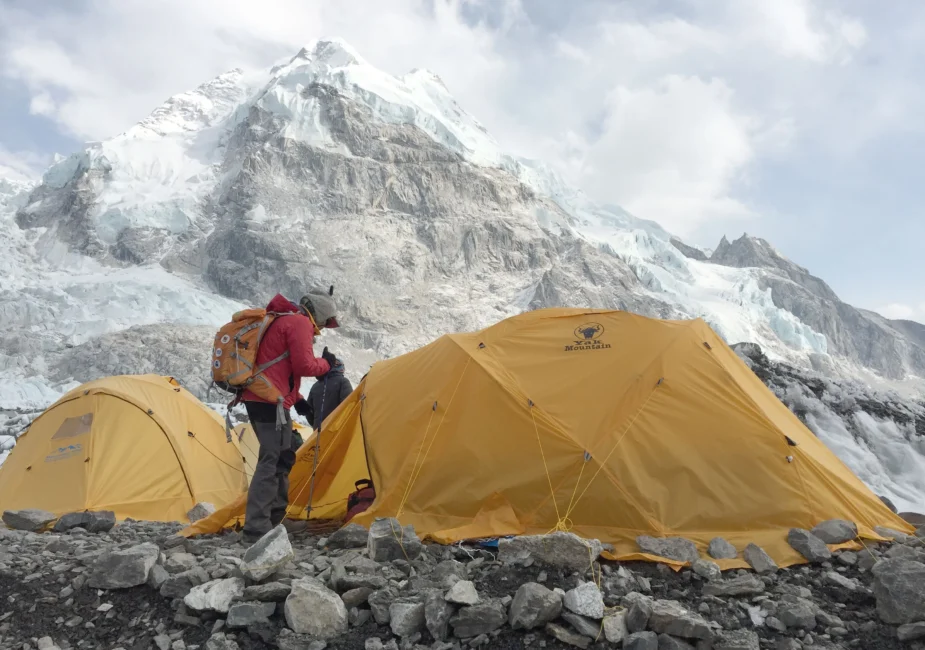
Everest Base Camp Trek goes through the renowned Khumbu region of North East Nepal culminating to the base of the Everest at a height of five thousand three hundred six feet. This popular route winds through Sherpa villages, old monasteries and spectacular glacier scenery. One of the world’s most famous long-distance walks.
On the contrary, Annapurna trek is the term used for a number of routes including the popular Annapurna Circuit route, the Annapurna Base Camp trek and shorter Poon Hill treks.
They pass through a variety of landscapes from subtropical forests to rice fields to high alpine passes. From the Annapurna region, every day on the trail is a discovery as there is an extraordinary biodiversity and cultural heritages of both Hinduism and Buddhism.
Difficulty Level and Fitness Requirements for Each Trek
Difficulty is one of the most significant factors to consider in Everest Base Camp Trek Vs Annapurna trek. Everest Base Camp trek is considered moderate to difficult as there is high altitude gain, and requires the participants to have good cardiovascular fitness. The trekking days are spent at altitudes over four thousand meters, making altitude sickness a potential health hazard, and requiring careful planning for acclimatisation.
The Annapurna Circuit is also challenging but a bit easier for those new to trekking, particularly the shorter one, Annapurna Base Camp.
The highest point of the classic circuit is Thorong La Pass at 5,416 meters, nearly five thousand meters above Everest Base Camp. Yet, with the Annapurna trail being more gradual and having more variety, many travellers find it easier to mentally and physically cope.
Trek Duration and Itinerary Options Compared
The regular Everest Base Camp Trek is about 12-14 days long, beginning from Lukla, a short flight from Kathmandu. A well designed tour also has appropriate rest days at Namche Bazaar and Dingboche to allow the body to acclimatize. Some trekkers opt for longer treks, which involve side trips to Kala Patthar or Gokyo Lakes, running up the trek to eighteen days or even longer.
The Annapurna region provides even more flexibility with respect to the length of the trek. The Annapurna Circuit takes 15 to 21 days to complete, while Annapurna Base Camp is a 7 to 11 day trek. The Poon Hill is a favorite route for those who have limited time, and offers great vistas of the Himalayas in a 3–5 day trip. The different options offered will make the Annapurna region an ideal choice for trekkers of different time schedules.
Scenery and Natural Highlights Along Both Routes
The Everest Base Camp Trek is a high adventure that is plain and simple. The trekkers get to see close ups of the towering mountains such as the Everest, Lhotse, Nuptse and Ama Dablam. The trail traverses the world famous Khumbu Glacier and winds through Sagarmatha National Park, which is a UNESCO World Heritage Site. The scene of approaching the highest summit in the world has a unique visual effect on the land, which is unmatched anywhere in the world.
The Annapurna Trek offers an unparalleled diversity of landscape which is difficult to find on any other trek in the world. The trekking traverses rhododendron forests, mustard fields, and high deserts like Tibetan Plateau.
The base camp is located at one of the most inspiring spots in Nepal, the Annapurna sanctuary, which is surrounded by a natural amphitheatre of 10 giant peaks. One of the most trekkers’ memories that remain forever with them is the sunrise over the Annapurna massif from Poon Hill.
Cost and Budget Comparison: Everest Vs Annapurna
Everest Base Camp Trek Vs Annapurna trek from a financial standpoint, the former is costlier. The Lukla flight is the big expense item.
The cost of accommodation is also higher in the Khumbu region since everything has to be carried in by porter or flown in as well, making tea house and lodging along the route pricey!
Most independent trekkers prefer the Annapurna region because it is more affordable. The region can be accessed by road from Pokhara, which negates the need for the majority of routes to fly domestically.
Best Time to Trek: Seasonal Guide for Both Routes
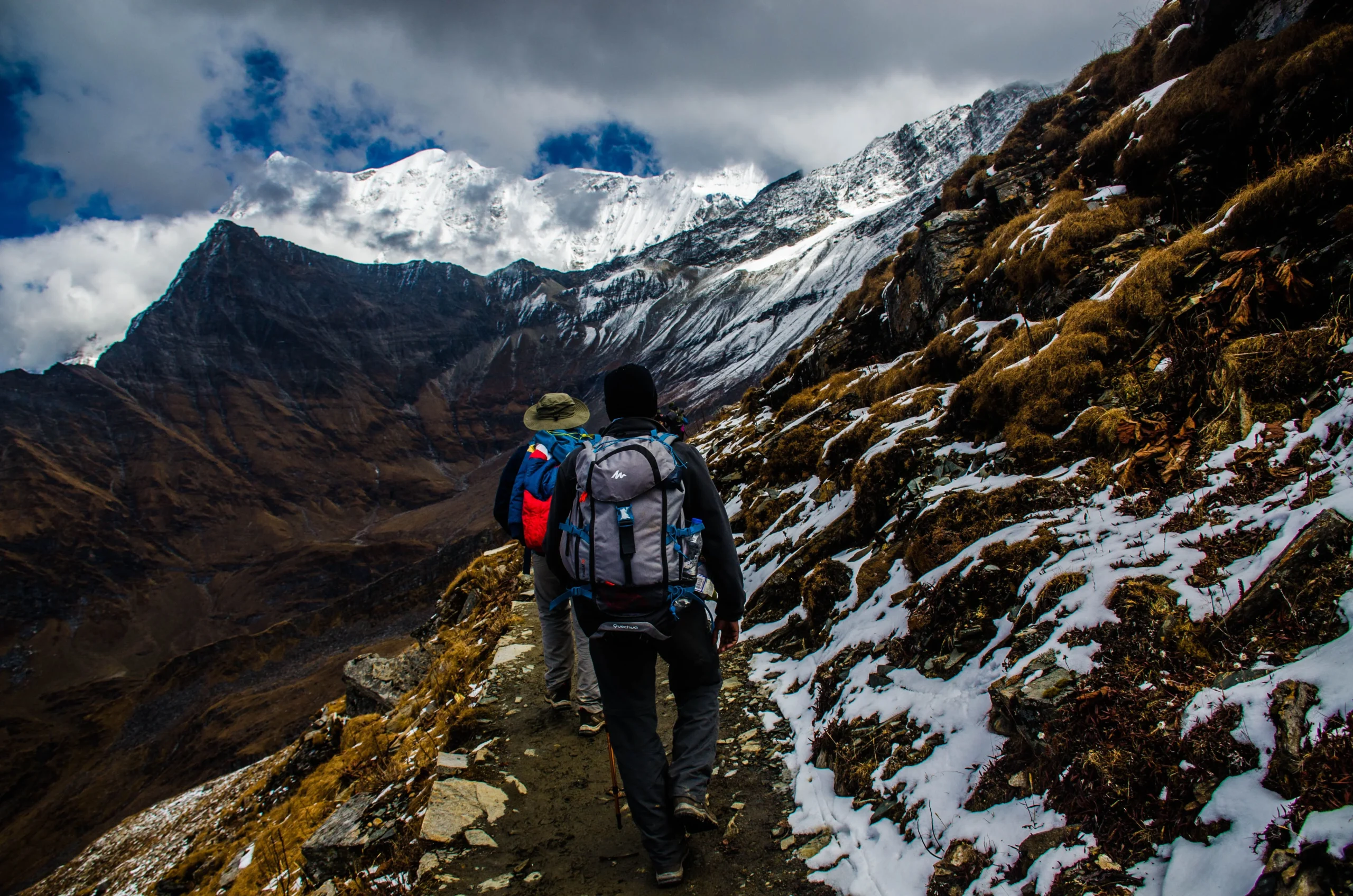
The Everest and Annapurna region have the same best trekking season in Nepal. The months of March, April and May are the best ones for trekking (spring) when trails are packed, rhododendrons are in full bloom, and mountain views are generally clear. September-October-November is also a popular season, and is considered ideal because of the lack of ice, dry trails, and good visibility in the high Himalayas.
It can be trekked both in the Region from December through February, but the weather is cold and snow is possible at higher altitudes and passes may be closed as well.
Routes are not recommended during the monsoon season from June to August, except in areas sheltered from the rain in the Annapurna region, such as Mustang Valley. Please be sure to find out the latest information about the trails from a trusted information source before embarking on a trek.
Permits, Regulations and Logistics You Must Know
Permits are required for both routes, with permit requirements varying by region. For the Everest Base Camp Trek, trekkers need a TIMS card (Trekkers Information Management System), a Sagarmatha National Park entry permit, and a Khumbu Pasang Lhamu Rural Municipality permit.
They can be easily arranged prior to departure from Kathmandu. Most of the hike is not compulsory to use a licensed guide, but it is recommended for first time hikers who are going to high altitudes.
For Annapurna Trek, a TIMS card and Annapurna Conservation Area Permit (ACAP) are needed which are inexpensive and are readily available in Pokhara or Kathmandu.
In Nepal, as per the recent regulation, solo trekking is required for all foreign nationals on major trekking routes without a guide. Before travelling, it is important to check all the updated rules from the official channels of the Nepal Tourism Board to ensure complete legality.
Conclusion
The decision between Everest Base Camp Trek Vs Annapurna Trek comes down to individual priorities, fitness, time and budget. The trek offers trekkers unparalleled beauty of the mountains, a warm Nepali welcome and a sense of adventure that few places on earth can offer.
From its iconic peaks like Everest to its incredible variety of landscapes in the Annapurna region, Nepal will make you feel small and inspired by its incredible Himalayan majesty, its cultural richness and the timeless beauty of its nature.
Frequently Asked Questions
Q1: Which is harder, the Everest Base Camp trek vs Annapurna trek?
The two treks are quite strenuous, but the Everest Base Camp trek is regarded as a tougher trek for various reasons, including its high elevation above 4,000 meters and the potential dangers of altitude sickness. The maximum elevation on the Annapurna Circuit is at Thorong La Pass, but the different terrain and slow descent makes the route a little bit easier for most hikers who are well-prepared.
Q2: How does the cost of the Everest Base Camp trek vs Annapurna trek compare?
The cost of the Everest Base Camp trek will be higher because of the expenses of flying to Lukla and the higher cost of food and lodging in the remote Khumbu region.
The overall cost is lower for the Annapurna trek as this region is connected to Pokhara by road, making it accessible to both independent trekkers and tour groups.
Q3: Which trek offers better mountain views, Everest Base Camp or Annapurna?
The two hikes are spectacular mountain views.
The Everest Base Camp trek allows you to get up close and personal with the world’s tallest mountain, as well as other iconic peaks such as Ama Dablam.
The views from the Annapurna region, particularly from Poon Hill and from the Annapurna Sanctuary, are of several of the eight-thousand-meter peaks and a more varied view of the landscape overall.
Q4: Can beginners do the Everest Base Camp trek vs Annapurna trek?
With adequate preparation, both hikes are possible for the beginning hiker who has fairly good fitness. The Annapurna Base Camp trek is a popular option as a beginner trek prior to Everest Base Camp. It is imperative to begin a solid high quality cardio program a minimum of 2 – 3 months before either hike and to give time to acclimatize on the trail.
Q5: What is the best time for the Everest Base Camp trek vs Annapurna trek?
Everest Base Camp trek and Annapurna trek are best done in spring season (March-May) and in Autumn season (September-November).
Everest Base Camp Trek Vs Annapurna Trek
Last modified: July 31, 2026