
Sticky Balsamic Glazed Chicken (Sweet, Tangy & Weeknight-Perfect)
 • July 31, 2026
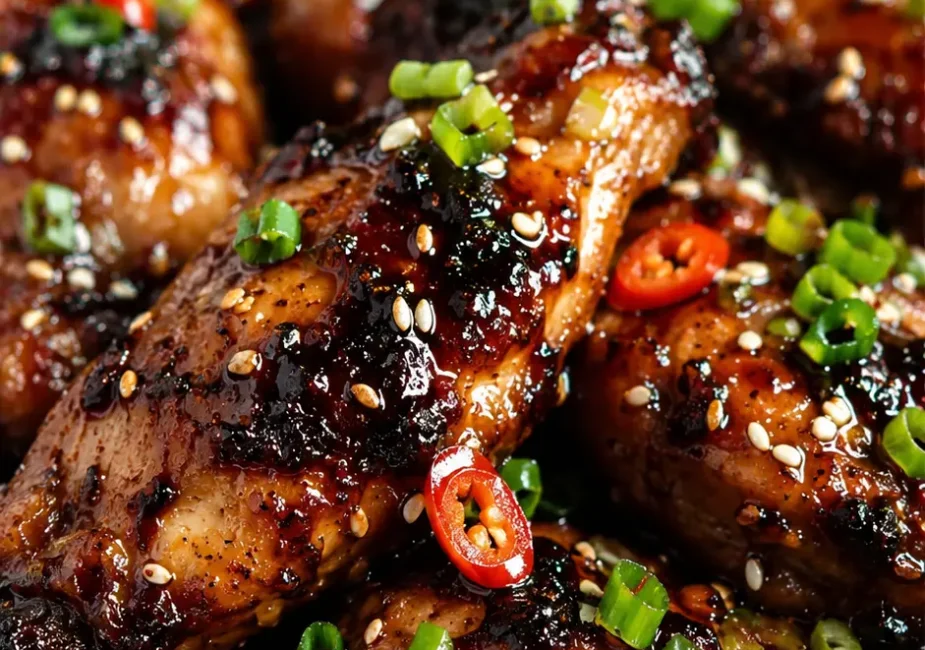
If you’re craving juicy chicken with a glossy, sticky-sweet glaze that tastes like it came from a restaurant, this sticky balsamic glazed chicken delivers. The balsamic vinegar cooks down into a rich, caramelized coating that clings to every piece, balanced by a touch of honey and garlic.
This recipe works for busy weeknights, casual dinners, or meal prep. The chicken stays tender inside while the glaze turns thick and shiny. One pan, simple ingredients, and big flavor make it a repeat favorite for home cooks.
Why You’ll Love This Sticky Balsamic Glazed Chicken
- Sticky, glossy glaze – The sauce reduces into a thick coating that sticks to the chicken instead of pooling at the bottom of the pan.
- Juicy, tender meat – Cooking over medium heat and finishing in the glaze keeps the chicken moist without drying out.
- One-pan simplicity – Everything happens in a single skillet, so cleanup stays minimal.
- Family-friendly flavor – The sweet-tangy balance appeals to both kids and adults without being too sharp.
- Pinterest-ready looks – The deep mahogany glaze photographs beautifully and looks impressive on the plate.
What Is Sticky Balsamic Glazed Chicken?
Sticky balsamic glazed chicken is boneless chicken cooked until golden, then coated in a reduced balsamic sauce that becomes thick and shiny. The glaze combines balsamic vinegar, honey or brown sugar, garlic, and a touch of soy sauce for depth. As the liquid cooks down, the natural sugars caramelize and create that signature sticky texture.
The dish relies on simple pantry ingredients and a quick reduction technique. Beginners get reliable results because the visual cues—bubbling sauce, glossy coating, and golden chicken—are easy to follow. The final texture is tender chicken with a sweet-tangy crust that clings instead of sliding off.
Recipe Inspiration
This recipe draws inspiration from classic balsamic reductions used in Italian-American cooking and modern weeknight skillet meals. Balsamic vinegar has long been reduced into glazes for meats and vegetables. Here the technique is simplified for home cooks: a quick pan sauce that thickens in minutes and coats the chicken evenly. The combination of balsamic, honey, and garlic creates balanced sweet-savory flavor without complicated steps or hard-to-find ingredients.
Ingredients You’ll Need
Main Base
- 1½ pounds (680 g) boneless, skinless chicken breasts or thighs, cut into 1-inch pieces: Provides lean protein that cooks quickly and absorbs the glaze.
- 1 teaspoon salt: Seasons the chicken evenly from the start.
- ½ teaspoon black pepper: Adds mild heat and depth.
- 2 tablespoons olive oil: Helps the chicken brown without sticking.
Sauce / Glaze
- ½ cup (120 ml) balsamic vinegar: Forms the tangy base that reduces into the sticky glaze.
- 3 tablespoons honey: Adds natural sweetness and helps the sauce thicken and caramelize.
- 2 tablespoons soy sauce (or tamari): Brings savory umami and balances the acidity.
- 3 garlic cloves, minced: Infuses the sauce with aromatic flavor.
- 1 tablespoon Dijon mustard: Emulsifies the glaze and adds subtle sharpness.
- ½ teaspoon dried thyme or Italian seasoning: Adds herbal notes that complement the balsamic.
Optional Garnish
- Fresh parsley or basil, chopped: Brightens the finished dish with color and freshness.
- Red pepper flakes: Adds a gentle kick if desired.
How to Make Sticky Balsamic Glazed Chicken
1. Season the chicken Pat the chicken pieces dry with paper towels. Sprinkle with salt and black pepper on all sides. Dry chicken browns better and creates a better surface for the glaze to stick.
2. Brown the chicken Heat olive oil in a large skillet over medium-high heat. Add the chicken in a single layer. Cook 4–5 minutes per side until golden brown and nearly cooked through. The edges should look lightly crisp. Transfer chicken to a plate.
3. Build the glaze Reduce heat to medium. In the same skillet, add balsamic vinegar, honey, soy sauce, minced garlic, Dijon mustard, and thyme. Stir constantly for 30 seconds until the garlic becomes fragrant.
4. Reduce the sauce Let the mixture simmer 4–6 minutes, stirring occasionally. The sauce will bubble and thicken until it coats the back of a spoon. It should look glossy and slightly syrupy.
5. Coat the chicken Return the chicken and any juices to the skillet. Toss gently to coat every piece in the glaze. Cook 2–3 more minutes until the chicken reaches 165°F (74°C) internally and the glaze clings tightly.
6. Rest and serve Remove from heat. Let the chicken rest 2 minutes so the juices settle. Sprinkle with fresh herbs if using. Serve immediately while the glaze is still shiny and warm.
The Simple Cooking Science Behind This Recipe
Reducing balsamic vinegar concentrates its natural sugars and acids. As water evaporates, the liquid thickens and the sugars begin to caramelize. This creates the sticky texture and deep flavor. Honey speeds up the process because it contains more simple sugars that thicken quickly.
The brief browning step before adding the sauce builds flavor through the Maillard reaction. Those golden bits left in the pan dissolve into the glaze, adding savory depth. Returning the chicken to the reduced sauce lets the exterior absorb the sticky coating without overcooking the interior.
Expert Tips for Best Results
- Pat the chicken completely dry before seasoning. Moisture prevents proper browning.
- Do not crowd the pan. Cook in batches if needed so the chicken sears instead of steams.
- Watch the glaze closely once it starts bubbling. It can go from perfect to burnt in under a minute.
- Use a meat thermometer. Chicken is safe at 165°F (74°C) and stays juicier when not overcooked.
- Stir the sauce often while reducing. This prevents scorching on the bottom of the pan.
- If the glaze thickens too much, splash in a tablespoon of water or chicken broth to loosen it.
- Taste the finished glaze before serving. A pinch of salt or extra honey can fine-tune the balance.
Easy Variations
- Spicy version – Add ½ teaspoon red pepper flakes or a teaspoon of sriracha to the glaze.
- Creamy twist – Stir in 2 tablespoons heavy cream or Greek yogurt at the end for a richer sauce.
- Lighter option – Use chicken breast and reduce the honey to 2 tablespoons.
- Vegetarian swap – Replace chicken with firm tofu or cauliflower florets. Pan-sear first, then glaze.
- Air-fryer method – Cook seasoned chicken at 375°F (190°C) for 12–15 minutes, then toss in the reduced glaze.
- Kid-friendly – Skip the mustard and use extra honey for a milder, sweeter profile.
What to Serve With Sticky Balsamic Glazed Chicken
- Fluffy white rice or jasmine rice to soak up extra glaze
- Creamy mashed potatoes for a comforting plate
- Roasted broccoli or green beans for a quick vegetable side
- Simple arugula salad with lemon dressing to cut the richness
- Garlic bread or crusty rolls for scooping
- Quinoa or couscous for a lighter grain option
- Steamed asparagus or sautéed spinach for a green contrast
How to Store and Reheat
Store leftover chicken in an airtight container in the refrigerator for up to 3–4 days. The glaze will thicken further when cold.
Freezing is possible but not ideal. The texture of the glaze can become slightly grainy after thawing. If you freeze, cool completely, portion into freezer bags, and use within 1 month. Thaw overnight in the fridge.
Reheat gently in a skillet over medium-low heat with a splash of water or broth to loosen the glaze. Microwave in 30-second intervals, stirring between each, until warmed through. Avoid high heat, which can make the chicken tough.
Make-ahead tip: Brown the chicken and prepare the glaze separately up to a day ahead. Combine and finish cooking just before serving.
Common Mistakes to Avoid
- Skipping the drying step – Wet chicken steams instead of browning.
- Cooking the glaze on high heat – It burns easily and turns bitter.
- Overcrowding the skillet – Results in pale, steamed chicken.
- Adding the chicken before the sauce reduces – The glaze stays thin and watery.
- Overcooking the chicken – Dry meat loses its appeal even with a good glaze.
- Using low-quality balsamic – Cheap vinegar can taste harsh; a mid-range bottle works best.
Frequently Asked Questions
Can I use chicken thighs instead of breasts? Yes. Boneless thighs stay even juicier and work perfectly with the same method and timing.
What can I substitute for balsamic vinegar? A mix of red wine vinegar and a teaspoon of brown sugar can work in a pinch, though the flavor will be lighter.
Is this recipe gluten-free? Use tamari or coconut aminos instead of regular soy sauce to make it gluten-free.
Can I make the glaze ahead of time? Yes. Prepare the glaze up to 2 days ahead and store it in the fridge. Reheat and toss with freshly cooked chicken.
How do I know when the glaze is thick enough? It should coat the back of a spoon and leave a clear trail when you drag a finger across it.
Can I cook this in the oven? Yes. Brown the chicken first, then bake at 400°F (200°C) for 15 minutes while reducing the glaze on the stove. Toss together at the end.
Sticky Balsamic Glazed Chicken
Last modified: July 31, 2026