
Tender Smoked Brisket Recipe (Juicy, Flavorful, and Perfect for Sharing)
 • July 17, 2026
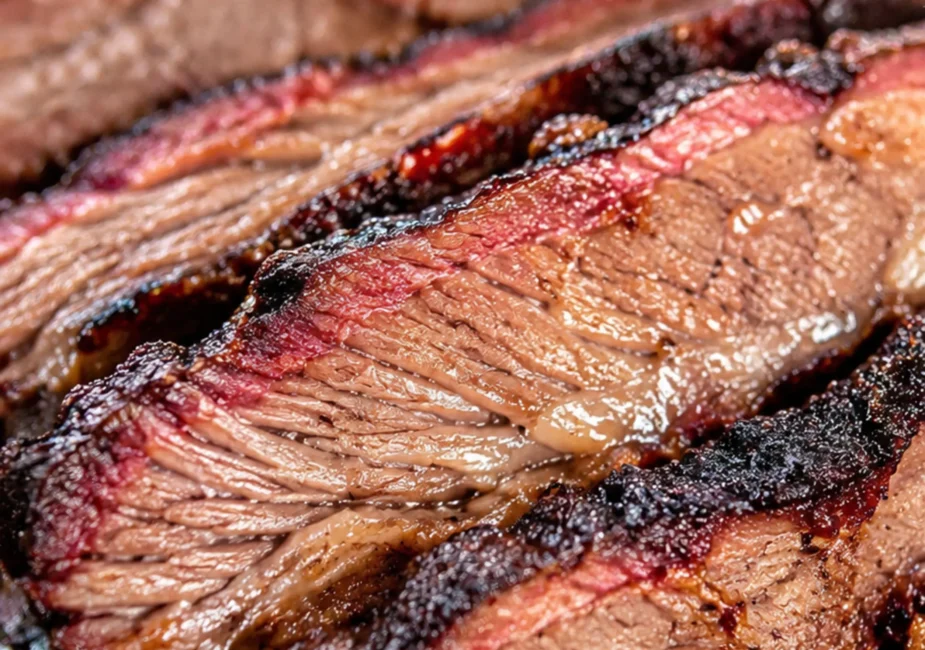
If you’re craving a smoky, tender, and incredibly flavorful barbecue meal, this Tender Smoked Brisket Recipe delivers the perfect balance of juicy meat, rich seasoning, and deep wood-fired flavor. With the right preparation and slow cooking method, you can create brisket with a beautiful bark outside and a melt-in-your-mouth texture inside.
This recipe is ideal for weekend gatherings, holiday meals, backyard barbecues, and family celebrations. While brisket takes time, most of the process is hands-off, allowing the smoker to slowly transform a tough cut of beef into a delicious centerpiece.
Quick Recipe Snapshot
- Prep Time: 30 minutes
- Cook Time: 10–12 hours
- Total Time: About 13 hours (including resting)
- Servings: 10–12 servings
- Difficulty: Intermediate
- Best For: BBQ parties, holidays, family dinners, meal prep
- Main Flavor Notes: Smoky, savory, peppery, slightly sweet, and rich
Why You’ll Love This Tender Smoked Brisket Recipe
- Incredibly juicy texture: Low-and-slow cooking breaks down tough connective tissues, creating slices that are tender and moist.
- Deep smoky flavor: Wood smoke slowly infuses the beef with a rich barbecue taste that cannot be rushed.
- Simple seasoning approach: A balanced dry rub allows the natural beef flavor to shine while building a flavorful crust.
- Perfect for gatherings: One brisket can feed a crowd, making it ideal for parties and special occasions.
- Great for leftovers: Extra brisket works beautifully in sandwiches, tacos, bowls, and breakfast dishes.
What Is a Tender Smoked Brisket Recipe?
Smoked brisket is a classic barbecue dish made by slowly cooking a beef brisket over indirect heat with wood smoke. The process takes several hours because brisket comes from a hardworking muscle that contains connective tissue that needs time to soften.
A great brisket has three important qualities: a flavorful dark bark on the outside, a juicy interior, and slices that hold together while still feeling tender. The combination of seasoning, smoke, temperature control, and resting time creates the final result.
Is This Recipe Authentic?
Smoked brisket is strongly connected to Texas-style barbecue, where beef brisket is often seasoned simply with salt and pepper before being cooked slowly over wood smoke.
Traditional barbecue focuses on patience, quality meat, clean smoke, and careful temperature management. This recipe follows those principles while adding a balanced spice rub that home cooks can easily prepare.
Ingredients You’ll Need
Main Base
- 1 whole beef brisket, 12–14 pounds: Provides the rich, beefy flavor and size needed for slow smoking.
- 2 tablespoons yellow mustard: Helps the seasoning stick to the meat without adding a strong mustard flavor.
- ¼ cup kosher salt: Enhances the natural beef flavor and helps create a flavorful bark.
- ¼ cup coarse black pepper: Adds classic barbecue flavor and a peppery crust.
- 2 tablespoons smoked paprika: Adds color and a deeper smoky note.
- 2 tablespoons garlic powder: Creates savory depth throughout the brisket.
- 1 tablespoon onion powder: Adds sweetness and balance to the seasoning.
- 1 tablespoon brown sugar: Helps develop a darker bark with slight sweetness.
- 2 teaspoons chili powder: Adds mild warmth and complexity.
- 2 teaspoons ground cumin: Provides earthy barbecue flavor.
Smoking Ingredients
- 4 cups hardwood smoking wood chunks or chips: Creates the smoky aroma and traditional barbecue flavor.
- 2 cups beef broth: Adds moisture during wrapping and helps protect the brisket.
- 2 tablespoons Worcestershire sauce: Adds savory umami flavor to the cooking liquid.
Optional Serving Additions
- 1 cup barbecue sauce: Adds sweetness and tanginess when serving.
- 12 hamburger buns: Perfect for brisket sandwiches.
- 1 cup sliced pickles: Adds freshness and acidity.
- ½ cup sliced red onions: Provides a crisp contrast.
How to Make Tender Smoked Brisket
1. Prepare the Brisket
Remove the brisket from the refrigerator about 1 hour before cooking.
Trim excess fat from the brisket, leaving about ¼ inch of fat on the surface. Too much fat can block seasoning, while a thin layer helps keep the meat moist.
Pat the brisket dry with paper towels.
2. Apply the Seasoning Rub
Coat the brisket lightly with 2 tablespoons yellow mustard.
Mix kosher salt, black pepper, smoked paprika, garlic powder, onion powder, brown sugar, chili powder, and cumin in a bowl.
Apply the seasoning evenly over all sides of the brisket. Press gently so the rub sticks.
3. Prepare the Smoker
Preheat your smoker to 225°F (107°C).
Use hardwood such as oak, hickory, or pecan for a balanced smoke flavor.
Place the brisket on the smoker with the fat side facing up or toward the heat source, depending on your smoker design.
4. Smoke the Brisket Slowly
Smoke the brisket for about 6–8 hours until the internal temperature reaches approximately 165°F (74°C).
During this stage, the outside develops a dark, flavorful bark.
Avoid opening the smoker frequently because heat loss can increase cooking time.
5. Wrap the Brisket
Once the brisket reaches 165°F, wrap it tightly in butcher paper or aluminum foil.
Add 2 cups beef broth mixed with 2 tablespoons Worcestershire sauce before sealing.
Return the wrapped brisket to the smoker.
6. Finish Cooking
Continue cooking until the internal temperature reaches 195–205°F (90–96°C).
The brisket should feel tender when tested with a thermometer probe. It should slide in with little resistance.
7. Rest Before Slicing
Remove the brisket from the smoker and keep it wrapped.
Rest for at least 1 hour before slicing.
Slice against the grain into thin pieces and serve warm.
The Simple Cooking Science Behind This Recipe
Brisket requires slow cooking because it contains collagen, a connective tissue that can make meat tough. Over several hours at low temperatures, collagen slowly breaks down into gelatin, creating a moist and tender texture.
Resting is another important step. During cooking, moisture moves toward the surface of the meat. Allowing the brisket to rest gives those juices time to redistribute, helping every slice stay flavorful.
The smoke also plays a major role. Clean-burning wood smoke creates aromatic compounds that attach to the surface, building the signature barbecue flavor and dark bark.
Expert Tips for Best Results
- Do not skip trimming: Removing excess fat helps the seasoning reach the meat and improves the final texture.
- Use a meat thermometer: Cooking time varies depending on brisket size. Temperature and tenderness matter more than the clock.
- Avoid heavy smoke: Too much smoke can create a bitter flavor. Aim for clean, light smoke.
- Keep the smoker temperature steady: Frequent temperature changes can make the cooking process uneven.
- Rest the brisket properly: Cutting too early can cause juices to escape and dry the slices.
- Slice against the grain: This shortens muscle fibers and creates a more tender bite.
- Season generously: Brisket is a large cut, so it needs enough seasoning to flavor every slice.
Easy Variations
- Spicy Brisket: Add 1 tablespoon cayenne pepper or extra chili powder to the rub.
- Sweet BBQ Brisket: Increase brown sugar to 3 tablespoons and serve with a sweeter barbecue sauce.
- Garlic Herb Brisket: Add 1 tablespoon dried rosemary and 1 tablespoon dried thyme.
- Coffee Rub Brisket: Add 2 tablespoons finely ground coffee for a deeper, earthy flavor.
- Smaller Brisket Version: Use a 5–6 pound brisket flat and adjust cooking time accordingly.
What to Serve With Tender Smoked Brisket
- Creamy coleslaw for a fresh, crunchy contrast
- Baked beans with smoky flavors
- Cornbread with butter
- Potato salad
- Roasted vegetables
- Pickles and onions
- Mac and cheese
This brisket makes a fantastic barbecue plate, sandwich filling, picnic meal, or holiday dinner centerpiece.
How to Store and Reheat
Store leftover brisket in an airtight container with some of its juices for up to 4 days in the refrigerator.
For reheating, place slices in a covered baking dish with a few tablespoons of beef broth. Warm at 300°F (150°C) for 20–30 minutes until heated through.
Avoid reheating brisket at high temperatures because it can dry out the meat.
Brisket can be frozen for up to 3 months. Slice it first and store it with some cooking juices in freezer-safe containers. Thaw overnight in the refrigerator before reheating.
For make-ahead meals, cook the brisket one day before serving. The flavor often improves after resting overnight.
Common Mistakes to Avoid
- Cooking at high temperatures: Fast cooking prevents collagen from breaking down properly.
- Using too much smoke: More smoke does not always mean better flavor.
- Skipping the rest period: Resting is essential for juicy slices.
- Slicing with the grain: This creates a tougher eating experience.
- Opening the smoker too often: Heat loss can extend cooking time.
Frequently Asked Questions
How long does brisket take to smoke?
A whole brisket usually takes about 10–12 hours, but the exact time depends on size, smoker temperature, and meat tenderness.
What wood is best for smoking brisket?
Oak, hickory, and pecan are popular choices because they provide a balanced smoky flavor without overpowering the beef.
Can I smoke brisket without wrapping it?
Yes. Wrapping is optional, but it helps retain moisture and can speed up the cooking process.
Can I prepare brisket the day before?
Yes. Cooked brisket can be stored overnight and reheated gently before serving.
Why is my smoked brisket tough?
Tough brisket usually needs more cooking time. The connective tissue may not have fully broken down yet.
Can I cook brisket in an oven instead of a smoker?
Yes. You can slow roast brisket in the oven at 275°F (135°C), but it will not have the same smoky flavor.
Nutrition Facts
Approximate Nutrition Per Serving:
- Calories: 520
- Protein: 48g
- Carbohydrates: 6g
- Fat: 34g
- Fiber: 1g
- Sugar: 3g
Nutrition information is approximate and may vary depending on brisket size, fat content, seasoning amounts, and serving portions.
Conclusion
A well-prepared smoked brisket is a rewarding meal built on patience, simple ingredients, and careful cooking. With a flavorful bark, juicy slices, and deep smoky taste, it is a recipe worth saving for your next barbecue gathering.
Try this recipe for your next celebration, customize the seasoning to your taste, and enjoy the delicious results of slow-cooked barbecue at home.
Last modified: July 17, 2026